Video tutorials have made a great many household repairs look approachable, and some genuinely are. Replacing a door seal or clearing a blocked filter is well within most people’s reach. The difficulty is that the same confidence gets applied to sealed refrigeration systems, live electrical components and machines with several plausible causes for one symptom. Bringing in Appliance Repair Experts is worth it precisely where diagnosis, not the physical work, is the hard part.
Diagnosis Is the Skill You Are Buying
One symptom rarely has one cause. A refrigerator that is not cooling could have a failed evaporator fan, an iced-over coil, a defrost fault, a refrigerant leak, a failing compressor or a control board problem. A homeowner working from a video usually replaces the component the video mentioned, and if the symptom persists, replaces another. A technician tests, narrows and identifies. The saving is not the labour, it is the parts that never had to be bought.
Test Equipment Changes the Answer
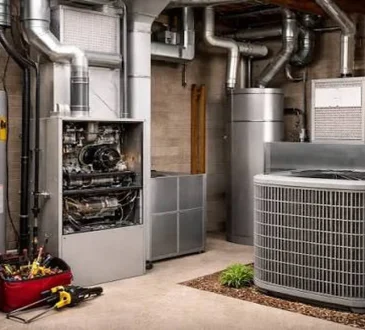
Proper diagnosis relies on tools most households do not have: a multimeter to check continuity and resistance in heaters, thermostats and motor windings, a clamp meter for current draw, refrigeration gauges and leak detection for sealed systems, and thermometers to verify actual temperatures rather than displayed ones. Without these, a diagnosis is a hypothesis. With them, it is a measurement, and the difference shows up in whether the repair works the first time.
Where the Genuine Risks Are
Two areas justify caution firmly. Anything involving a sealed refrigeration circuit requires handling refrigerant properly with the right equipment, and opening one without it is both unsafe and likely to destroy the system. Anything involving mains electrical work carries obvious risk, and in Singapore electrical work of certain kinds must be carried out by a licensed electrical worker. Gas appliances are a third category where amateur intervention is simply not appropriate.
Parts, Sourcing and Compatibility
Finding the correct part for a specific model is harder than it appears, since manufacturers use different components across production runs of the same model number. A technician who works on these machines daily knows which equivalents are genuinely compatible and which merely look similar, and has supply channels a consumer does not. This matters practically: a wrong part means a second order, another wait, and an appliance out of use for another week.
Warranty and Insurance Considerations
Opening an appliance still under manufacturer warranty generally voids it, which can convert a free repair into a paid one. Household insurance may also take a view on damage arising from unqualified work. Established providers of home appliance repair services carry insurance covering damage caused during a visit and provide a warranty on their own workmanship and parts, which is a protection a self-repair does not offer.
The Honest Advice to Replace
A good technician will sometimes tell you not to spend the money. Compressor failure on an older refrigerator, a drum bearing on an aged washing machine, or a cracked outer tub are cases where the labour pushes the cost close to replacement value. Receiving that assessment from someone who has just diagnosed the fault, and who is declining the work, is more useful than a guess from a forum. It also frequently comes with a view on what to buy instead.
Time Is a Real Cost
A homeowner attempting a repair spends an evening diagnosing, a wait for a part, another evening fitting it, and sometimes a repeat of the whole cycle. A technician arrives with the diagnostic equipment and, often, the common parts for that machine. For anyone whose weekends have competing demands, that difference is worth costing honestly rather than treating a repair as free because no invoice is issued.
What Is Genuinely Worth Doing Yourself
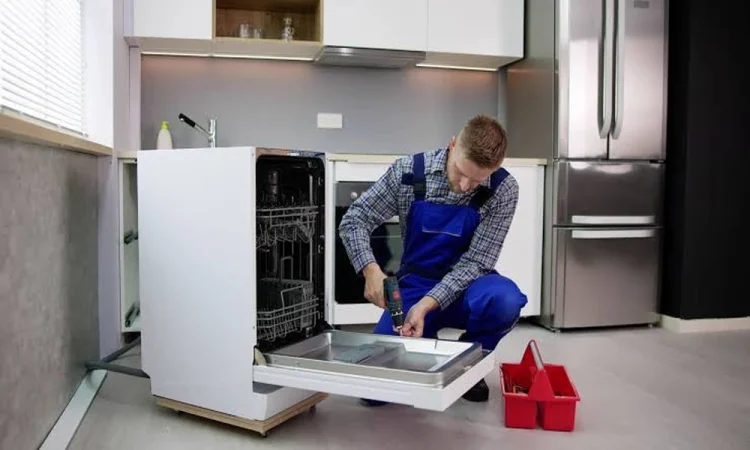
The case for professional help is not a case against ever touching an appliance. Cleaning filters in washing machines, dryers, dishwashers and air conditioners is maintenance every household should do. Clearing a blocked defrost drain, vacuuming refrigerator condenser coils, checking that a drain hose is not kinked, replacing a door seal on many models, levelling a washing machine that has begun to walk, and resetting a machine after a power interruption are all reasonable. The line falls at anything requiring the outer casing to come off with the appliance connected, anything involving refrigerant, and anything where the fault has not been positively identified.
What to Ask Before Booking
Establish whether there is a callout or diagnostic fee and whether it is waived if you proceed. Ask whether parts are genuine or compatible equivalents. Ask what warranty covers the labour and the part and for how long. Ask whether they carry common parts for your brand or order them, since that determines whether one visit or two. And ask for the model number to be quoted against, since a price given without it is provisional.
Getting the Most From the Visit
Note the brand, model and age from the rating plate, describe precisely what happens and when, record any noise, and note any error code. Clear access to the appliance. Be present, or ensure someone is who has actually seen the fault. Approached this way, Appliance Repair Experts resolve most household faults in a single visit, and the households that call early rather than after months of adapting to a symptom consistently spend less.