Introduction
Fire safety is an important responsibility for every building owner. Fire protection systems such as alarms, sprinklers, and other safety equipment help detect or control fires. During such periods, a fire watch may be required to help maintain safety. Understanding basic fire watch requirements can help building owners protect occupants and respond to risks appropriately.
Because fire protection requirements can vary depending on the type, occupancy, and circumstances of a building, owners should understand the specific measures that may apply when a system is impaired or a higher-risk activity is taking place. Reviewing the applicable fire watch requirements Wyoming authorities may enforce can help owners determine when monitoring is necessary, what areas should be covered, and how fire watch activities should be documented. Taking these requirements seriously helps maintain safer conditions until normal fire protection systems are restored.
What Is a Fire Watch?
A fire watch involves assigning trained personnel to monitor a building for signs of fire and unsafe conditions. Fire watch personnel conduct regular patrols, observe high-risk areas, identify hazards, and report concerns. Their presence provides an additional layer of protection when normal fire safety systems are temporarily unavailable or reduced.
When May Fire Watch Be Needed?
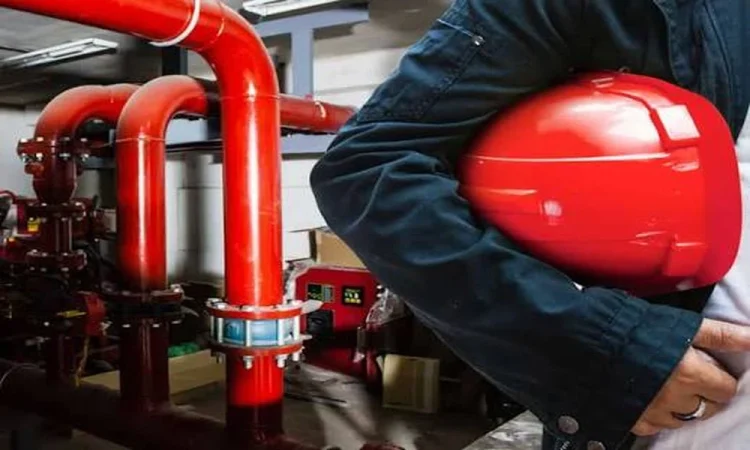
A fire watch may be needed when a fire alarm, sprinkler system, suppression system, or other important protection equipment is not working properly. It may also be required during certain construction activities, hot work, or other situations that increase fire risk. Building owners should understand the requirements that apply to their property and follow instructions from the relevant fire safety authorities.
Regular Patrols Are Important
Fire watch personnel should patrol their assigned areas at the required intervals. Patrols should cover areas where occupants, equipment, stored materials, or temporary work may create fire risks. Personnel should remain alert throughout their shift and avoid distractions. Regular observation can help identify problems before they become serious.
Identifying Fire Hazards
During patrols, fire watch personnel should look for conditions that could lead to a fire. These may include blocked exits, combustible materials near heat sources, damaged electrical equipment, smoke, unusual odours, sparks, or unsafe storage.
Maintaining Clear Communication
Building owners should ensure that fire watch personnel know how to communicate concerns quickly. They should understand who is responsible for receiving reports and what actions are expected during an emergency. Clear communication can reduce confusion and help occupants receive timely warnings when a dangerous condition is discovered.
Keeping Records
Fire watch activities should be properly documented when required. Records may include patrol times, areas inspected, hazards identified, corrective actions, and incidents that occurred during the shift. Accurate records can help building owners demonstrate that required safety measures were followed and can also help identify repeated problems.
Ending the Fire Watch
Fire watch should not simply end because the scheduled period has passed. It should continue according to the applicable requirements until the affected fire protection system is restored or another approved safety arrangement is established.
Building Owner Responsibilities
Owners should understand their property’s fire safety requirements, arrange appropriate fire watch coverage when necessary, and ensure that personnel are properly trained for their duties. They should also coordinate repairs and restoration of affected systems as quickly as reasonably possible.
Conclusion
Fire watch provides an important temporary safety measure when normal fire protection systems are unavailable or when specific activities increase fire risk. Building owners should understand when fire watch may be necessary, ensure regular patrols, maintain clear communication, document observations, and restore affected systems promptly.