Older homes carry a certain charm that newer construction rarely matches. They also hide systems that have been working quietly for many decades, and the gas line is one of the most important of them. Out of sight and easy to forget, it keeps running long after homeowners stop thinking about it.
That is exactly why an aging gas line deserves attention. Time is not kind to the metal pipes buried in walls and beneath floors, and a professional inspection is the safest way to catch trouble before it becomes a hazard.
Understanding How Old Gas Lines Age
Many older homes were built with gas lines made of steel or iron. These materials were sturdy when installed, yet they were never meant to last forever, and the years take a steady toll.
Moisture is the main culprit. As it works on bare metal, it produces rust and corrosion that slowly eat away at the pipe from the inside and the outside alike. What began as a solid, reliable line can grow thin and brittle where no one can see it.
Stress plays a role as well. Shifting soil, temperature swings, ground settling, and ordinary vibration can create microscopic fractures in the metal over time. A single one of these flaws may seem harmless, but together they weaken the pipe and open the door to slow leaks.
Recognizing the Hidden Dangers
The trouble with gas line deterioration is that it usually stays invisible until something goes wrong. A pipe can corrode for years behind a wall while the household notices nothing at all.
When a leak finally develops, the risks are serious. Escaping gas can threaten the health of everyone inside, raise the danger of fire, damage nearby materials, and drive up energy bills as fuel quietly slips away. Because natural gas is treated to smell like sulfur, a faint rotten-egg odor is often the first warning a family receives.
Waiting for that warning is a gamble no homeowner should take. An inspection replaces guesswork with certainty, which matters a great deal when the stakes are this high.
Knowing What an Inspection Covers
A professional gas line inspection is far more thorough than a quick look around the basement. A licensed plumber examines the entire system with trained eyes and specialized tools, searching for the early signs most people would miss.
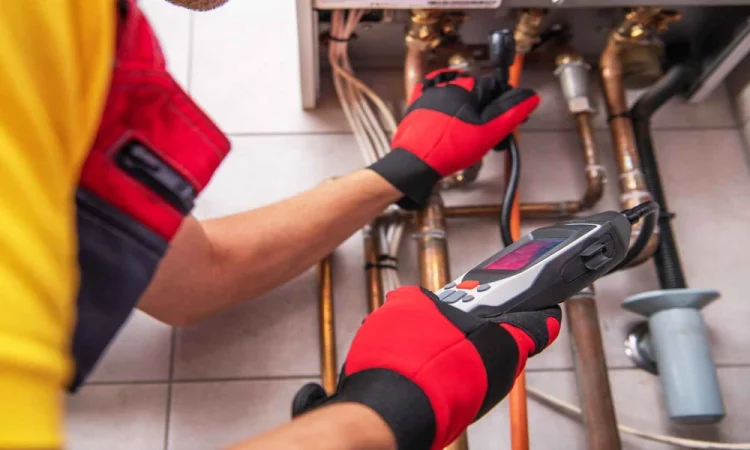
The technician checks the pipes for rust, corrosion, weakened joints, and any hint of damage along their length. Specialized detectors help pinpoint tiny leaks that no nose could catch, confirming whether the line is holding pressure as it should.
Shut-off valves receive careful attention too. These valves are your emergency defense, so the plumber tests them to be sure they turn freely and seal completely when needed.
The inspection also considers what surrounds the gas appliances. A good technician confirms that heavy units like ranges and water heaters have proper ventilation behind them, since trapped fumes and restricted airflow can turn a minor issue into a dangerous one.
Choosing a Qualified Professional
Gas work is never a do-it-yourself project. The margin for error is small, and the consequences of a mistake can be severe, which is why this task belongs in experienced, licensed hands.
A trusted company such as Mullin Plumbing brings the training, the equipment, the licensing, and the code knowledge that a safe inspection requires. Experienced professionals not only find problems but also explain them in plain language, so you understand the condition of your system and the options in front of you.
When selecting a provider, look for proper licensing, solid local reviews, clear communication, and a genuine commitment to safety over upselling. Those qualities separate a dependable inspection from a hurried one.
If your home has been standing for many decades, its gas line has been working just as long. Scheduling a professional inspection is a small step that protects both your property and, above all, the people who live under your roof. Peace of mind, in this case, is well worth the effort.