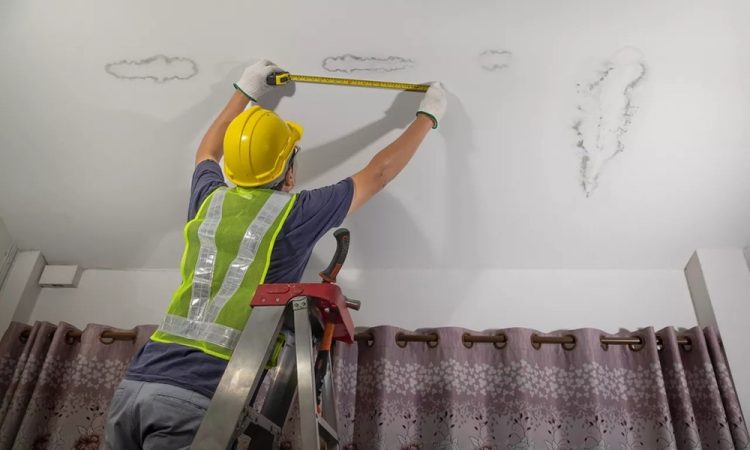
Ceiling leakage repair is one of the most time-sensitive home maintenance issues a property owner in Singapore can face, and addressing it quickly is the difference between a minor repair and a costly structural problem. Water that penetrates through a ceiling does not simply evaporate – it travels, spreads, and damages everything in its path, from plaster and insulation to electrical wiring and the structural elements hidden within your walls.
Understanding Why Ceiling Leaks Are Deceptive
One of the most challenging aspects of a ceiling leak is that the visible drip or stain is rarely located directly above the actual source of the water. Water follows the path of least resistance through slabs, joists, and insulation layers, often travelling a metre or more before appearing on the ceiling below.
This is why a systematic diagnostic approach matters more than simply patching the visible damage. Treating the symptom without identifying the source means the problem will return, usually in the same location or in a new one, and often during the next significant rainfall.
Common Sources of Ceiling Water Damage
Identifying where the leak originates is the foundation of effective ceiling leakage repair. The most frequent sources include:
- Bathroom leaks from the unit above: Cracked waterproofing membranes in wet areas are among the most common culprits in HDB flats and condominiums
- Pipe failures: Burst or corroded water supply pipes and waste pipes can release water slowly over an extended period before becoming visible
- Roof and parapet deterioration: In landed properties and the uppermost units of walk-up apartments, aging roofing materials and compromised parapet flashings allow rainwater to penetrate
- Air conditioning condensation: Incorrectly installed or poorly maintained AC units can release condensation into ceiling cavities
- Window and facade joints: Failing sealants around windows and external walls allow water to track through during heavy rain
Each source requires a different repair approach, which is why professional diagnosis is essential before any remediation work begins.
The Repair Process: What to Expect
A professionally managed ceiling leak repair follows a logical sequence that addresses both the source and the damage it has caused.
The first stage is investigation, which typically involves moisture mapping, non-destructive testing tools, and in some cases the targeted opening of ceiling panels to allow direct inspection. Once the source is confirmed, the repair method can be determined.
Depending on the cause, the repair work may involve:
- Applying a waterproofing membrane to the wet area above
- Re-grouting or re-sealing bathroom tiles and joints
- Replacing sections of corroded or damaged pipework
- Applying polyurethane or epoxy injection to crack sealing in concrete slabs
- Re-sealing window and facade joints with appropriate sealant compounds
After the source repair, the affected ceiling area is treated for mould, dried thoroughly, and restored to its original condition with patching, plastering, and repainting.
As Minister Desmond Lee has said of Singapore’s built environment, “We want homes that are not just beautiful but truly liveable and well-maintained for the long term.” That vision depends on addressing problems like water ingress promptly and professionally, before they compromise the quality of the homes we live and work in.
The Risk of Delaying Ceiling Leak Repairs
Postponing ceiling leakage repair rarely saves money – it almost always costs more in the long run. Water damage that goes untreated leads to:
- Mould and mildew growth, which poses serious health risks, particularly for children and elderly residents
- Deterioration of ceiling plaster, which may eventually collapse under its own weight when saturated
- Damage to electrical wiring and fittings, creating fire and electrocution hazards
- Staining and warping of furniture, flooring, and fixtures in the affected room
- Weakening of the structural integrity of the slab over time
In HDB and condominium settings, unresolved leaks can also create disputes with neighbours in the unit above or below. Acting swiftly not only protects your property but also maintains good relations with the community around you.
Choosing the Right Repair Specialist
Not all contractors who offer waterproofing or ceiling repair services have the diagnostic capability to identify the true source of a leak. When selecting a specialist, look for:
- Experience in leak detection: The ability to trace water ingress to its origin without unnecessary demolition
- Appropriate licensing: Contractors working on plumbing-related repairs should hold the relevant trade licences
- Material quality: Reputable contractors use proven waterproofing systems rather than cheap substitutes that fail prematurely
- Warranty on workmanship: A specialist who stands behind their work with a written warranty gives you recourse if the problem returns
Preventing Future Leaks Through Proactive Maintenance
Once a leak has been repaired, a programme of regular maintenance significantly reduces the likelihood of recurrence. Annual inspections of bathroom waterproofing, pipe joints, roof flashings, and external sealants can identify deterioration before it becomes a leak.
In older properties, a more comprehensive waterproofing survey every three to five years is a worthwhile investment. The cost of preventative maintenance is a fraction of the cost of emergency overhead leak remediation after the damage has been done.
For property owners and facility managers alike, the message is clear: ceiling leakage repair handled promptly and professionally is the most effective way to protect your investment and maintain the condition of your property for years to come.