Smart Cooling Solutions That Improve Comfort and Cut Energy Costs All Summer

The arrival of the summer season brings long, sun-drenched days and the promise of outdoor adventures, but it also ushers in the challenge of maintaining a cool, breathable indoor environment. For many American homeowners, the struggle to balance personal comfort with the reality of soaring utility bills is an annual ritual. Traditional cooling methods often rely on brute force-blasting the air conditioner at maximum capacity-which leads to uneven temperatures and excessive wear on mechanical components. However, by adopting smart cooling solutions, you can transform your home into a high-efficiency sanctuary. Achieving this level of performance starts with a proactive approach to maintenance, ensuring that your air conditioning service is performed before the first major heatwave hits the region.
Modern home cooling is no longer just about the temperature on the thermostat; it is about managing humidity, airflow, and energy consumption through intelligent design and technology. When you take the time to understand how your home interacts with the external environment, you can make small, impactful changes that yield significant long-term savings. From smart thermostats that learn your daily routine to high-tech window treatments that block radiant heat, the tools available today allow for unprecedented control over your domestic climate. This guide explores the most effective strategies to keep your home crisp and comfortable while keeping your energy budget firmly under control.
The Foundation of Efficiency: Mechanical Integrity
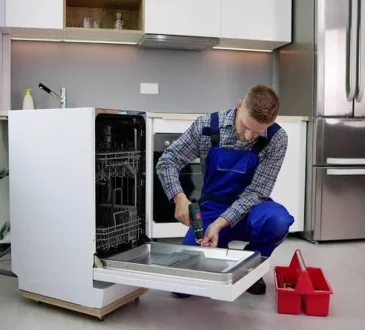
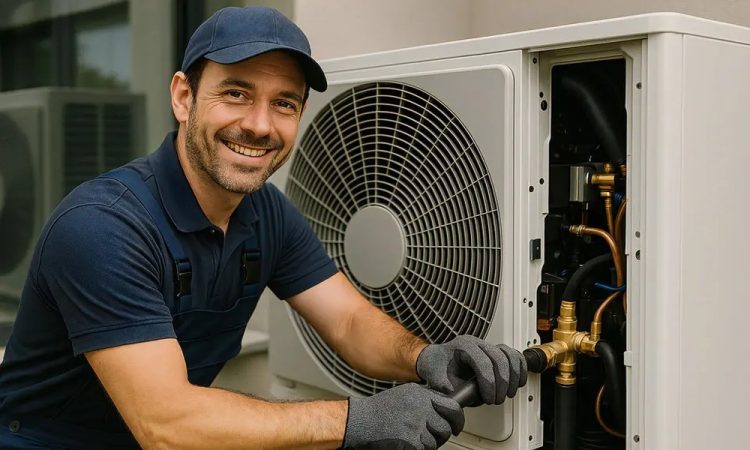
Before investing in high-tech gadgets, it is essential to ensure that the heart of your cooling system is in peak physical condition. A cooling unit that is burdened by dust, low refrigerant levels, or worn-out belts will never operate efficiently, regardless of how “smart” your home might be. In fact, an unoptimized system can use up to 30% more energy just to reach the same temperature as a well-maintained one. This is why a professional air conditioning service is the most critical step in your summer preparation. During a standard checkup, technicians clean the evaporator coils, clear the condensate drain lines, and calibrate the blower motor to ensure maximum airflow with minimum electrical draw.
Beyond the unit itself, the distribution network-your ductwork-plays a starring role in your home’s efficiency. Small leaks in the ducts can allow cooled air to escape into attics or crawlspaces, forcing the system to run for longer cycles. Sealing these gaps and ensuring that your vents are not blocked by furniture or heavy drapes allows your HVAC system to breathe easier. When the mechanical foundation is strong, the subsequent smart upgrades can perform their jobs with much higher precision.
Harnessing Smart Thermostat Technology
The most recognizable symbol of the modern smart home is the intelligent thermostat. Unlike older programmable models that required manual scheduling, today’s smart thermostats use motion sensors and machine learning to understand when you are home, when you are sleeping, and when you are away. By automatically adjusting the temperature by just a few degrees when the house is empty, these devices can reduce cooling costs by nearly 10% to 15% annually.
Geofencing and Remote Access
One of the most valuable features of smart cooling technology is geofencing. By syncing with your smartphone’s GPS, the system can detect when you are leaving work and begin pre-cooling your home so that it is perfectly comfortable the moment you walk through the door. This eliminates the need to leave the AC running all day for an empty house. Furthermore, remote access via mobile apps allows you to adjust settings from anywhere in the world, providing peace of mind if you accidentally left the cooling on while heading out for a summer vacation.
Zoning Systems for Personalized Comfort
Traditional HVAC systems often treat the entire house as a single zone, which is inherently inefficient. Since heat rises, upstairs bedrooms are frequently warmer than the basement or kitchen, leading people to turn down the thermostat for the whole house just to cool one room. A smart zoning system uses a series of motorized dampers within the ductwork to redirect air only where it is needed. This allows you to maintain different temperatures in different rooms, significantly reducing the workload on your central unit and ensuring that every family member is satisfied with their immediate environment.
Passive Cooling and Home Envelope Optimization
Smart cooling isn’t limited to the HVAC unit; it also involves managing how heat enters your home in the first place. Passive cooling strategies focus on the “envelope” of the house-the windows, doors, and insulation that separate you from the summer sun. By blocking heat before it enters, you reduce the “heat load” that your air conditioner must overcome.
- Automated Blinds: Smart window coverings can be programmed to close during the hottest part of the day, reflecting solar radiation away from your living spaces.
- High-Efficiency Insulation: Upgrading attic insulation prevents heat from the roof from radiating down into your ceilings.
- LED Lighting Transition: Traditional incandescent bulbs produce a surprising amount of heat; switching to LEDs keeps your rooms cooler and saves electricity.
- Ceiling Fan Integration: Using fans in conjunction with AC allows you to set the thermostat about 4°F higher with no loss in perceived comfort due to the wind-chill effect.
- Weatherstripping: Sealing leaks around doors and windows keeps the cold air in and the humid Georgia or Florida air out.
Managing Humidity for Enhanced Comfort
In many parts of the U.S., it isn’t just the heat-it’s the humidity. Moist air holds heat more effectively than dry air, making your home feel “sticky” and warmer than the actual temperature. Modern smart cooling solutions often include whole-home dehumidifiers that work alongside your AC. By removing excess moisture, these systems allow you to feel comfortable at higher temperatures, further reducing the strain on your primary cooling unit and preventing the growth of mold and mildew.
Conclusion
Creating a comfortable, energy-efficient home this summer requires a blend of professional maintenance and the strategic use of modern technology. By starting with a comprehensive mechanical tune-up and layering on smart thermostats, zoning systems, and passive cooling techniques, you can enjoy a cooler home and lower utility bills simultaneously. These investments do more than just save money; they extend the lifespan of your HVAC equipment and contribute to a more sustainable lifestyle. Don’t wait for the next heatwave to take action-start optimizing your cooling strategy today and experience the difference that smart solutions can make.