Struggling with rising energy bills and uneven cooling at home? Keeping your cooling system running smoothly does not require complicated fixes or expensive upgrades. With a few smart habits and timely maintenance, you can improve performance, extend lifespan, and enjoy consistent comfort. This guide breaks down practical, easy-to-follow strategies that help you stay cool while saving money and avoiding unexpected breakdowns, making your system work smarter all year round.
A well-functioning cooling system is essential for maintaining comfort, especially during warmer months when demand is high. Yet, many homeowners overlook simple practices that can significantly improve performance and reduce long-term costs. By focusing on maintenance, airflow, and energy efficiency, you can ensure your system operates at its best without unnecessary strain.
Incorporating AC efficiency tips early on can make a noticeable difference. Small adjustments often lead to better cooling, lower energy consumption, and fewer repairs. More importantly, they help extend your system’s lifespan, helping you avoid costly replacements.
Keep Air Filters Clean and Functional
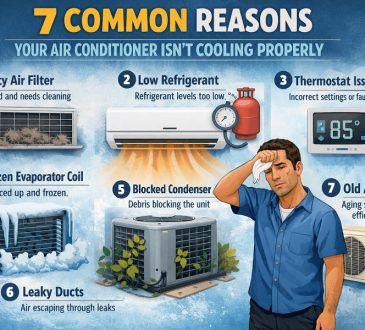
Air filters play a crucial role in maintaining airflow and indoor air quality. Over time, they collect dust, pollen, and debris. When clogged, they restrict airflow and force the system to work harder.
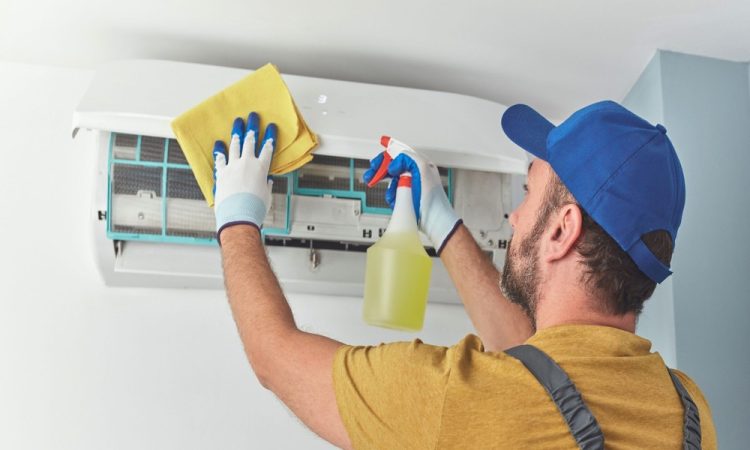
Cleaning or replacing filters regularly ensures smooth airflow and consistent cooling. It also prevents dust from entering sensitive components, reducing wear and tear. This simple step can improve efficiency and help maintain a healthy indoor environment.
Maintain Proper Airflow Throughout Your Home
Airflow is often overlooked, yet it is essential for even cooling. Blocked vents, closed registers, or clutter around air outlets can disrupt circulation.
Ensure that vents remain open and unobstructed. Furniture, curtains, or rugs should not block airflow. Additionally, keeping doors slightly open allows air to move freely between rooms, creating balanced cooling throughout the space.
Schedule Regular Professional Maintenance
While basic upkeep can be handled at home, professional servicing is equally important. A trained technician can inspect internal components, check refrigerant levels, and identify potential issues early.
Routine servicing helps prevent breakdowns during peak usage. It also ensures that your system operates at optimal efficiency. Investing in professional maintenance once or twice a year can save significant costs in the long run.
Keep the Outdoor Unit Clean and Clear
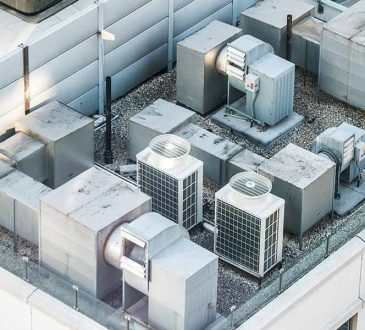
The outdoor unit is responsible for releasing heat absorbed from indoors. When it becomes dirty or obstructed, heat exchange is affected.
Leaves, dust, and debris often accumulate around the unit. Clearing the surrounding area and gently cleaning the fins improves airflow and efficiency. Additionally, maintaining at least a few feet of open space around the unit allows it to function without restriction.
Optimise Thermostat Settings for Better Efficiency
Your thermostat controls how often your cooling system runs. Setting it too low forces the system to work continuously, increasing energy consumption.
Instead, aim for a comfortable but moderate temperature. Using programmable or smart thermostats can further enhance efficiency. They allow you to adjust settings based on your schedule, reducing unnecessary usage when you are not at home.
Seal Leaks and Improve Insulation
Even the most efficient cooling system will struggle if cool air escapes. Gaps around windows, doors, or ductwork can lead to energy loss.
Sealing these leaks ensures that conditioned air stays inside. Proper insulation also helps maintain indoor temperatures, reducing the load on your system. As a result, the system runs less frequently while maintaining comfort.
Monitor Refrigerant Levels and System Performance
Refrigerant is essential for cooling. Low levels can reduce efficiency and cause the system to overheat. Signs such as reduced cooling, longer running times, or unusual noises may indicate a problem.
If you notice these issues, it is important to seek professional assistance. Handling refrigerant requires expertise, and timely intervention can prevent further damage.
Use Curtains and Blinds to Reduce Heat Gain
External heat significantly affects indoor temperatures. Sunlight entering through windows can quickly raise the temperature, forcing your system to work harder.
Using curtains, blinds, or shades helps block heat during the hottest parts of the day. This simple step reduces the cooling load and improves overall efficiency.
Avoid Overworking the System
Running your cooling system continuously can lead to wear and tear. Giving it occasional breaks helps maintain performance and longevity.
Using ceiling fans or natural ventilation during cooler hours can reduce dependency on the system. Fans improve air circulation, making rooms feel cooler without lowering the temperature significantly.
Upgrade When Necessary
Older systems tend to be less efficient and more prone to breakdowns. If your unit frequently requires repairs or struggles to cool effectively, it may be time for an upgrade.
Modern systems are designed with energy efficiency in mind. They offer better performance while consuming less power. Although the initial investment may seem high, long-term savings often outweigh the cost.
Wrapping Up
Keeping your cooling system running smoothly does not require complex solutions. Instead, it relies on consistent care, smart adjustments, and timely maintenance. By understanding how your system works and addressing small issues early, you can ensure reliable performance throughout the year.
Simple actions such as cleaning filters, maintaining airflow, and optimising thermostat settings make a significant difference. Combined with professional servicing, these strategies help you stay comfortable while keeping energy costs under control.