Planning a countertop upgrade is one of the most exciting parts of a kitchen or bathroom remodel. New surfaces can completely change the way a space looks, feels, and functions. However, before choosing a material or scheduling installation, it helps to understand what affects the final price. Countertops installation cost can vary widely depending on material, layout, labor, customization, and the overall condition of the space.
For homeowners in Tampa, where kitchen remodeling projects often focus on both style and durability, understanding these cost factors can make the planning process much easier. Whether you are replacing outdated laminate, upgrading to quartz, or investing in granite, knowing what goes into the estimate helps you make confident decisions from the start.
Material Selection Has the Biggest Impact
The type of countertop material you choose is usually the largest factor in the total cost. Different materials come with different price points based on durability, appearance, availability, and fabrication requirements.
Granite is a popular choice because it offers natural beauty and long-lasting performance. Each slab has unique veining and patterns, which makes it appealing for homeowners who want a custom look. Quartz, on the other hand, is engineered for consistency, low maintenance, and strong resistance to stains. Both options can increase the value and functionality of a kitchen, but they may differ in price depending on color, thickness, brand, and slab availability.
Some homeowners focus only on the material price per square foot, but that is only part of the total investment. Fabrication, edge profiles, cutouts, sealing, delivery, and installation all affect the final number.
Countertop Size and Square Footage
The larger the countertop area, the more material is required. This directly affects cost because slabs are typically priced based on square footage. A small bathroom vanity will cost much less than a large kitchen with an island, breakfast bar, and extended counter space.
However, size is not just about length and width. The layout also matters. A simple straight countertop is usually easier to measure, cut, and install. A kitchen with multiple corners, angled sections, or oversized islands may require more detailed planning and additional fabrication work.
Accurate measurements are essential. Professional installers measure carefully to reduce material waste, avoid poor fits, and ensure the final surface aligns properly with cabinets, walls, appliances, and plumbing fixtures.
Fabrication and Customization
Fabrication refers to the process of cutting, shaping, and preparing the countertop material before installation. This step is especially important for stone surfaces like granite and quartz. The more customized the project is, the more labor and precision are required.
Common fabrication details that influence cost include sink cutouts, cooktop openings, faucet holes, backsplash pieces, and custom edge profiles. A basic edge is usually more affordable, while decorative edges may require more time and specialized equipment.
This is one reason many homeowners choose a full-service company like Kitchen Bath & Stone. Working with a team that handles both design and fabrication helps reduce confusion between material selection, measurements, and installation. It also gives homeowners a clearer understanding of how each design choice affects the total project cost.
Cabinet Condition and Preparation Work
Countertops need a stable, level base. If the existing cabinets are damaged, uneven, or poorly installed, additional preparation may be needed before the new countertop can be placed. This can affect the cost and timeline of the project.
In some cases, minor adjustments are enough. In others, cabinets may need reinforcement or replacement before installation. This is especially important when installing heavier materials such as granite or thick quartz slabs.
Homeowners sometimes overlook this step when budgeting, but it plays a major role in long-term performance. Even a beautiful countertop can crack, shift, or fail if the foundation underneath is not properly prepared.
Removal and Disposal of Old Countertops
If you are replacing existing countertops, removal and disposal may be included as part of the overall estimate or listed as a separate cost. The difficulty of removal depends on the existing material, how it was installed, and whether plumbing or appliances need to be temporarily disconnected.
For example, removing tile countertops can take more labor than removing laminate. If the old countertop is glued, screwed, or built around fixtures, installers may need extra time to remove it safely without damaging cabinets or walls.
Professional removal is often worth the cost because it helps protect the surrounding space and prepares the area correctly for the new installation.
Sink, Faucet, and Appliance Adjustments
Countertop installation often involves more than just placing a slab on top of cabinets. If your project includes a new sink, faucet, cooktop, or plumbing fixture, these details can affect both fabrication and installation costs.
Undermount sinks usually require precise cutouts and polishing around the opening. Cooktops also need exact measurements to ensure a safe and clean fit. If plumbing or electrical adjustments are needed, those services may add to the total project budget.
Coordinating these details early helps prevent delays and unexpected costs once installation begins.
Edge Profiles and Finishing Details
Edge profiles may seem like a small design choice, but they can influence the overall price. Standard edges are typically more budget-friendly, while more decorative or complex edges require additional fabrication.
Popular options include eased, beveled, bullnose, and ogee edges. The right choice depends on your design style, maintenance preferences, and budget. A simple edge can create a clean modern look, while a more detailed edge may add a traditional or high-end feel.
Finishing details also include polishing, sealing for certain natural stones, and matching seams where multiple slabs meet. These details help determine the final appearance and quality of the installation.
Project Complexity and Labor
Labor costs depend on the complexity of the installation. A simple countertop replacement may be straightforward, while a full kitchen remodel with custom cabinets, large slabs, and multiple cutouts requires more time and skill.
Access to the home can also affect labor. Tight hallways, stairs, elevators, or difficult delivery paths may require extra care during transport and installation. Large stone slabs are heavy and fragile before they are secured, so professional handling is essential.
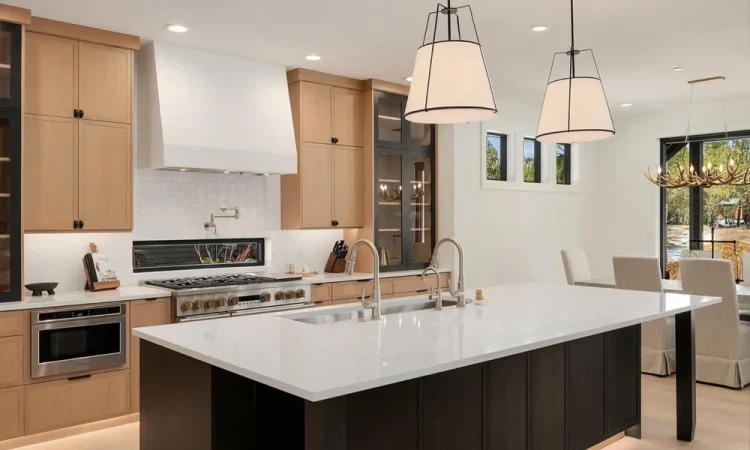
In Tampa homes, where many remodeling projects involve open-concept kitchens and large islands, proper installation is especially important. A skilled team ensures the countertop is level, supported, sealed where needed, and finished cleanly.
Why Professional Installation Matters
Trying to cut costs with inexperienced installation can lead to expensive problems later. Poor measurements, weak support, uneven seams, and incorrect sink cutouts can all reduce the lifespan and appearance of the countertop.
Professional installers understand how to handle heavy materials, protect surrounding surfaces, and make precise adjustments during installation. They also help homeowners avoid common mistakes that may not be obvious during the planning stage.
Companies like Kitchen Bath & Stone provide homeowners with guidance from material selection through final installation, making it easier to balance budget, design, and durability in one streamlined process.
Final Thoughts
Understanding countertops installation cost factors helps homeowners plan smarter and avoid surprises. Material choice, square footage, fabrication, cabinet condition, old countertop removal, sink cutouts, edge details, and labor all play a role in the final price.
For Tampa homeowners who want a countertop upgrade that looks beautiful and performs well for years, working with an experienced remodeling and fabrication team is the best way to protect the investment. Kitchen Bath & Stone offers custom countertop solutions, cabinetry, and full-service design support to help bring your kitchen or bathroom remodel together with confidence.
When you are ready to compare materials, explore quartz or granite options, and get expert guidance for your next countertop project, schedule a consultation with Kitchen Bath & Stone and start planning a surface built for your home, style, and everyday use.
This post was written by a professional at Kitchen Bath and Stone. Kitchen Bath and Stone is a full-service kitchen and bathroom remodeling company in Tampa, Florida, specializing in cabinets, countertops, granite, quartz, and stone installation. As one of the leading kitchen and bathroom remodeling companies near you, we serve clients throughout the Tampa Bay area. Our experienced team provides expert guidance and reliable solutions, making us a trusted choice for kitchen and bathroom remodeling near you focused on quality, value, and performance. Click here to learn more!