The Core Elements of Home Functionality and Exterior Design
Your home’s exterior is more than just its outside appearance; it’s the first impression, your shield against the elements, and a big part of its overall value. Many homeowners in {CITYSTATE} face challenges with aging exteriors. They wonder how to make their home look better and work better. We understand the desire to enhance {SERVICEKEYWORD}, making sure it looks modern and protects your investment. An outdated or poorly kept exterior can make your home less appealing and even lead to bigger problems. Smart upgrades are key for both enjoying your home now and for its future value.
In this guide, we will explore how thoughtful exterior design and smart renovations can greatly improve your home’s functionality and curb appeal. We will look at common features that make a house look old and how to update them.
We will also dive into the benefits of modern materials, such as fiber cement and metal. These help balance how long they last with how good they look. Understanding how exterior remodeling affects its look and how well it works is important.
You’ll learn how to decide which upgrades to do first, from roofing to landscaping, for the best impact and value. We will cover how energy-efficient features can save money and make your home more comfortable.
Finally, we will discuss the latest 2026 design trends that offer a style that lasts. We will also see how these updates affect resale value, security, and ease of use. Join us to discover how to turn your home’s exterior into a functional, beautiful space.
When we talk about a home’s exterior, we’re not just discussing aesthetics; we’re delving into its fundamental performance. The exterior serves as the primary barrier between your living space and the outside world, making its functionality paramount. Key considerations include weather resistance, which protects against rain, snow, wind, and sun, preventing moisture intrusion and structural damage. Energy efficiency is another critical aspect, with well-insulated exteriors minimizing winter heat loss and summer heat gain, resulting in lower utility bills.
Structural integrity ensures the home’s long-term stability, while material durability determines how well components withstand wear and tear, reducing the need for frequent repairs. Beyond protection, the exterior significantly impacts resale value. A well-maintained and aesthetically pleasing exterior can increase a home’s value by as much as 7%, making it a wise investment for future sales. Security is also enhanced by robust doors and windows, as well as well-planned lighting. Lastly, accessibility features, such as zero-step entries or thoughtfully designed pathways, ensure the home is welcoming and functional for everyone.
Balancing Home Functionality and Exterior Aesthetics with Modern Materials
Choosing the right materials for your home’s exterior involves a careful balance between visual appeal and practical performance. Modern advancements offer a diverse range of options, each with unique benefits in terms of durability, maintenance, energy efficiency, and visual style.
- Fiber Cement: This popular material, often available as planks or shingles, offers exceptional durability. It’s resistant to rot, pests, fire, and extreme weather, making it a long-lasting choice. Visually, fiber cement can mimic wood grain or smooth stucco, offering versatility in design. It requires painting, but the finish holds up well for many years.
- Vinyl Siding: Known for its affordability and low maintenance, vinyl siding is a common choice for many homeowners. It comes in a wide array of colors and styles, including those that replicate wood. While generally less durable than fiber cement against impact, its ease of cleaning and resistance to moisture make it a practical option. Insulated vinyl siding can also significantly boost a home’s energy efficiency.
- Engineered Wood Siding: Offering the classic look of natural wood without the same level of maintenance, engineered wood is a composite product designed for durability. It resists rot, termites, and moisture better than traditional wood, and is available pre-primed or pre-finished. Its visual warmth and texture are highly desirable.
- Metal Cladding: Increasingly popular for its modern aesthetic and extreme durability, metal cladding (such as steel or aluminum) is resistant to fire, pests, and harsh weather. It’s low-maintenance and recyclable, appealing to environmentally conscious homeowners. Metal offers a sleek, contemporary look and is available in a variety of finishes and colors.
- Brickwork: A timeless material, brick offers unparalleled durability, fire resistance, and minimal maintenance. While the initial installation can be more involved, brick provides excellent insulation and a classic, robust aesthetic that endures for generations. Modern brick options include various colors and textures, allowing for both traditional and contemporary designs.
In 2026, design trends are leaning towards warm neutrals, moody earth tones, and mixed materials to create exteriors that feel both inviting and sophisticated. These palettes, combined with biophilic elements like vertical gardens or integrated planters, help homes blend seamlessly with their natural surroundings, fostering a sense of calm and timelessness. The goal is to create a material-led facade where the combination of siding, trim, and accents tells a coherent architectural story.
Material Durability Maintenance Energy Efficiency Visual Appeal Fiber Cement Excellent (rot, pest, fire resistant) Low (painting every 10-15 years) Good (insulation properties) Versatile (wood grain, smooth, various colors) Vinyl Siding Good (impact can damage) Very Low (wash as needed) Fair to Good (insulated options) Wide range of colors and styles, can mimic wood Engineered Wood Very Good (rot, pest resistant) Moderate (painting every 10-15 years) Good (insulation properties) Natural wood look, warm and inviting Metal Cladding Excellent (fire, pest, weather resistant) Very Low (wash as needed) Good (reflective properties) Modern, sleek, industrial, various finishes Brickwork Superior (fire, weather resistant) Very Low (occasional cleaning) Excellent (thermal mass) Classic, robust, traditional, various colors/textures Prioritizing Upgrades to Improve Performanc.e
Undertaking exterior renovations can feel overwhelming, but a strategic approach ensures maximum impact and value. We advocate for the “sequence principle” in exterior modernization. This principle suggests tackling upgrades in a specific order: first the envelope, then entry points, and finally the ground plane. This hierarchy ensures that the most critical protective and structural elements are addressed first, creating a solid foundation for subsequent aesthetic enhancements.
Starting with the “envelope” means prioritizing the components that shield your home from the elements. This includes the roof plane and primary cladding. The roof is the largest design decision on a facade,e and its condition is paramount for moisture protection and thermal regulation. After the roof, the primary cladding-your siding-is next. A beautiful door on a failing facade does not read as a beautiful door; it reads as a detail on a failing facade. The most common error in exterior modernization is upgrading elements out of this hierarchy order.
Once the envelope is secure, focus shifts to entry points like windows and doors, which are crucial for both functionality and curb appeal. Finally, the “ground plane” encompasses hardscaping, landscaping, and outdoor living spaces. This includes elements like pathways, patios, native plants, and seasonal varieties in your garden. Thoughtful landscaping not only enhances aesthetics but also plays a vital role in drainage and overall home protection. Incorporating biophilic design elements, such as vertical gardens or strategically placed planters, can further integrate your home with its natural surroundings, creating a harmonious and functional outdoor environment.
How to Sequence Projects for Optimal Home Functionality and Exterior Protection
Following the sequence principle for exterior upgrades ensures that your investment provides both immediate benefits and long-term protection.
- Roofing First (The Top of the Envelope): The roof is your home’s first line of defense against the weather. Prioritizing its condition is non-negotiable.
- Structural Inspection: Before any cosmetic changes, a thorough structural inspection of the roof and attic space is essential. This identifies any underlying issues, such as water damage, sagging, or compromised trusses.
- Material Choice: Consider options like architectural shingles for a classic look and good durability, or metal roofing for exceptional longevity and energy efficiency. Cool roof materials, which reflect more sunlight and absorb less heat, are excellent for thermal regulation, especially in warmer climates.
- Moisture Protection: Ensure proper underlayment, flashing, and ventilation to prevent moisture intrusion, which can lead to costly repairs and mold growth.
- Drainage: A well-designed roof directs water away from the foundation, preventing issues such as basement flooding and soil erosion.
- Cladding (The Walls of the Envelope): Once the roof is sound, turn your attention to the siding. This protects the vertical surfaces of your home.
- Weather Resistance: Choose cladding materials that are appropriate for your local climate and offer resistance to moisture, wind, and pests. Fiber cement, brick, and high-quality vinyl are excellent choices for durability.
- Insulation: Consider insulated siding to improve your home’s thermal performance, reduce energy consumption, and enhance indoor comfort.
- Aesthetics: Select materials and colors that align with your desired architectural style and the overall vision for your home’s exterior, keeping 2026 trends of warm neutrals and mixed textures in mind.
- Windows and Doors (Entry Points): With the main protective layers in place, focus on the openings.
- Energy Efficiency: Upgrade to double- or triple-pane windows with Low-E coatings and inert gas fills to improve insulation and block harmful UV rays
- Security: Install robust, secure doors and windows with strong locking mechanisms.
- Curb Appeal: Modern windows and doors can dramatically enhance your home’s appearance, creating a welcoming and updated facade.
- Hardscaping and Landscaping (The Ground Plane): Finally, address the areas around your home.
- Drainage Solutions: Ensure proper grading, French drains, or permeable paving to manage rainwater effectively and prevent issues such as standing water and foundation damage. How Tree Roots Cause Drain Blockages and How to Prevent Drain Clogs in Your Home are good resources for understanding how proper water management protects your home’s plumbing infrastructure.
- Outdoor Living Spaces: Design patios, decks, or pergolas that extend your living area outdoors, enhancing functionality and enjoyment.
- Plant Selection: Choose native plants that thrive in your climate, require less water, and require less maintenance. Incorporate seasonal variety for year-round interest and consider vertical gardens for a modern, biophilic touch.
By following this sequence, you ensure that each upgrade builds upon a solid foundation, maximizing the effectiveness and longevity of your exterior renovation project. This systematic approach not only protects your home but also optimizes its functionality and aesthetic appeal for years to come.
Enhancing Comfort and Security Through Modern Openings and Lighting
The entry points of your home-doors and windows-are pivotal for both its aesthetic appeal and its practical performance. In 2026, the emphasis is on integrating beauty with advanced functionality, especially concerning energy efficiency and security.
Modern insulated doors, often made of steel or fiberglass with foam cores, offer superior thermal resistance compared to older wooden doors. This insulation prevents drafts and heat transfer, contributing significantly to your home’s overall energy efficiency. Similarly, upgrading to double- or triple-pane windows with Low-E (low-emissivity) coatings and inert gas fills (such as argon or krypton) can drastically reduce heat loss in winter and heat gain in summer. These features not only lower your energy bills but also improve indoor comfort by eliminating cold spots near windows.
Smart technology has revolutionized how we interact with our home’s entryways. Smart locks, video doorbells, and integrated security systems provide enhanced control and peace of mind. You can monitor who approaches your home, grant access remotely, and receive alerts, all from your smartphone. This level of connectivity elevates both convenience and security.
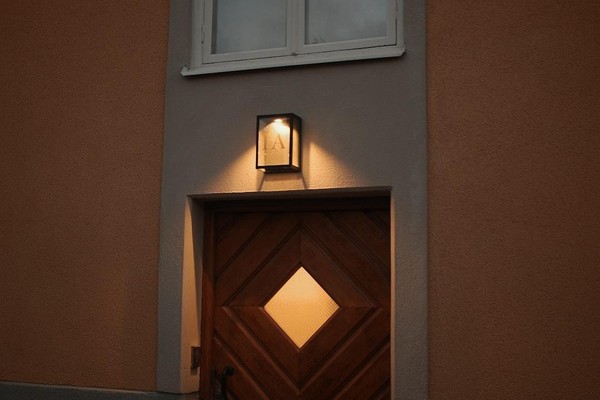
Beyond entryways, exterior lighting plays a crucial role in both safety and ambiance. Haphazard or insufficient lighting can make a home feel unwelcoming and less secure. Modern exterior lighting solutions involve a layered approach, incorporating path lights, accent lights to highlight architectural features or landscaping, and task lighting for areas like grilling stations or seating. Energy-efficient LED fixtures are the standard, offering long lifespans and significant energy savings. For inspiration on creating a well-lit and secure exterior, exploring Expert exterior home lighting can provide valuable insights into design and functionality.
Integrating these exterior elements with your home’s internal systems, particularly the HVAC system, is also key to overall comfort. For instance, well-sealed windows and doors reduce the workload on your heating and cooling systems. If you ever find your AC not turning on what to check first, it could be related to issues like thermostat settings, power supply, or even a clogged filter, all of which impact your home’s ability to maintain a comfortable interior climate, regardless of how well your exterior is sealed. Ensuring all components work in harmony contributes to a truly functional and comfortable home environment.
Frequently Asked Questions
Homeowners often have specific questions when considering exterior upgrades, especially about outdated features, energy efficiency, and the best approach to renovations. Here, we address some of the most common inquiries.
What are the most common exterior features that make a home look outdated?
Several exterior elements can quickly date a home, diminishing its curb appeal and making it appear neglected. Recognizing these features is the first step toward modernization:
- Outdated Paint Colors: Bright, overly saturated, or dingy exterior paint colors from past decades can make a home look tired. Think avocado green, mustard yellow, or certain shades of brown that were popular in previous eras. In 2026, warm neutrals, deep earthy tones, and moody naturals like charcoal and deep navy are favored for their timeless appeal.
- Overgrown Shrubs and Dense Hedging: Landscaping that is too large for the space, obscures windows, or is poorly maintained can make a home look unkempt and smaller than it is. Overgrown plants can also trap moisture against the foundation, leading to other issues. Replacing these with native plants, well-proportioned landscaping, and varied textures creates a fresh, inviting look.
- Elaborate or Overly Decorative Front Doors: While a front door should be a statement, overly ornate or highly decorative styles, particularly those with dated sidelights or intricate glass patterns, can make a home feel out of step with contemporary design. Modern trends favor simpler, cleaner lines, often with rich, solid colors or natural wood finishes.
- Haphazard, Inconsistent, and Ineffective Lighting: Poorly planned exterior lighting, with mismatched fixtures or inadequate illumination, can make a home feel unsafe and unattractive after dark. A lack of layered lighting, with only a single porch light, misses the opportunity to create ambiance and highlight architectural features. Modern homes benefit from integrated lighting plans thatinclude path and accent lights aswell asd smart controls.
- Worn Brickwork or Busy Textures: Faded, stained, or poorly maintained brickwork, or exteriors with an excessive mix of busy textures that lack cohesion, can appear dated. While brick is timeless, its condition and its integration with other materials matter. Cleaning, repointing, or even painting brick can rejuvenate its appearance. Modern design often uses mixed materials but with a clear, intentional composition.
Addressing these common culprits can significantly elevate your home’s exterior, transforming it from outdated to contemporary and inviting.
How do energy-efficient exterior upgrades reduce long-term home costs?
Investing in energy-efficient exterior upgrades offers substantial long-term financial benefits by reducing operational costs and enhancing your home’s value.
- Insulated Siding: Replacing old, uninsulated siding with modern insulated options creates a thermal barrier around your home. This significantly reduces heat transfer through the walls, meaning your HVAC system doesn’t have to work as hard to maintain comfortable indoor temperatures. This directly translates to lower heating and cooling bills year-round.
- Low-E Windows: Modern windows featuring double- or triple-pane glass, Low-E coatings, and inert gas fills are designed to minimize heat transfer. They block solar heat gain in the summer and prevent heat from escaping in the winter. This not only slashes energy consumption but also reduces the strain on your HVAC equipment, potentially extending its lifespan and reducing maintenance needs.
- LED Lighting: Switching from traditional incandescent or halogen exterior lighting to LED fixtures can result in dramatic energy savings. LEDs consume significantly less electricity, last much longer, and require less frequent replacement, reducing both utility bills and maintenance costs. Smart lighting systems can further optimize energy use by automatically turning lights on and off based on occupancy or daylight.
- Reduced Utility Bills: The cumulative effect of these upgrades is a noticeable decrease in your monthly energy expenses. Over the lifespan of the home, these savings can be substantial, often offsetting the initial investment in the upgrades.
- Thermal Comfort: Beyond cost savings, energy-efficient exteriors provide a more comfortable living environment. Consistent indoor temperatures, fewer drafts, and reduced external noise contribute to a higher quality of life within your home.
These upgrades also contribute to a greener footprint, aligning with growing environmental consciousness and potentially qualifying for certain rebates or incentives.
Why is the sequence principle important when planning exterior renovations?
The sequence principle is crucial for exterior renovations because it ensures that upgrades are performed in a logical, hierarchical order, maximizing their effectiveness, protecting your investment, and maintaining structural integrity.
- Visual Hierarchy: The principle acknowledges that a home’s facade has a visual hierarchy: the roof plane, then primary cladding, then entry points, and finally the ground plane. Upgrading lower-hierarchy elements (like a new front door) before addressing higher-hierarchy ones (like a failing roof or outdated siding) is less effective. A beautiful door on a deteriorating facade will still appear as a detail on a failing facade. By following the sequence, each improvement builds on a solid, aesthetically cohesive base.
- Envelope Protection: Prioritizing the “envelope” (roof and cladding) first is fundamental for protecting the entire structure. These components are your home’s primary defense against weather conditions such as rain, wind, and sun. Addressing them first prevents water intrusion, structural damage, and energy loss, which could undermine any subsequent renovations. For example, installing new windows before fixing a leaky roof could lead to water damage around the new windows.
- Cost Efficiency: A systematic approach can prevent costly rework. Fixing structural issues or addressing moisture problems in the roof or walls before installing new finishes ensures your new investments are not compromised. It also enables better long-term planning and budgeting by tackling the most critical and foundational elements first.
- Structural Integrity: The roof and primary cladding are integral to your home’s structural soundness. Ensuring they are in excellent condition provides a stable foundation for all other exterior elements. A compromised roof or siding can lead to issues like rot, pest infestations, and compromised insulation, which are far more expensive to fix down the line than proactive replacement.
By adhering to the sequence principle, homeowners can achieve a more cohesive, durable, and functional exterior that stands the test of time, rather than a collection of disparate, less effective upgrades.
Conclusion
As we’ve explored, enhancing your home’s functionality and exterior is a multifaceted endeavor that goes far beyond mere aesthetics. It’s about creating a harmonious, durable, and efficient living space that reflects your style while standing strong against the elements. From understanding the core elements of weather resistance and energy efficiency to strategically prioritizing upgrades based on the sequence principle, every decision contributes to a home that is both beautiful and high-performing.
By embracing modern materials like fiber cement and metal cladding, incorporating 2026 design trends of warm neutrals and biophilic elements, and leveraging smart technology for comfort and security, you can transform your home’s exterior into a true asset. These thoughtful renovations not only boost curb appeal and increase resale value but also provide long-term durability, reduced maintenance, and improved energy efficiency. The result is a cohesive design that offers lasting value and a welcoming impression for years to come.
Contact us today to start your home’s exterior transformation.