Tankless water heaters are designed to deliver hot water on demand without the standby losses of a traditional storage tank. In theory, the wait should be brief once a faucet opens. In practice, many homeowners notice a longer delay than expected-sometimes twenty or thirty seconds of cold water before the temperature rises. This lag can feel especially frustrating during busy mornings or when multiple fixtures are used at once. Understanding the reasons behind the delay helps separate normal system behavior from actual performance problems that need attention.
The delay often stems from a combination of plumbing layout, unit capacity, water conditions, and maintenance status. While some wait time is inherent to the technology, excessive delays usually point to specific factors that can be identified and corrected. For households considering an upgrade or seeking better performance, learning about efficient tankless water heaters can clarify whether the current unit matches the home’s needs or whether adjustments are required.
Understanding the Normal Warm-Up Process
Unlike a tank system that keeps a reservoir of hot water ready, a tankless unit only activates when it detects sufficient water flow. Cold water already sitting in the pipes between the heater and the faucet must first be pushed out. The farther the fixture is from the unit, the longer this purge takes. In larger homes or those with the heater located in a distant utility room or garage, the delay can stretch noticeably.
Once flow reaches the unit, sensors measure the incoming water temperature and the desired output setting. The heating elements or burner then raise the temperature by the required amount. Very cold groundwater in winter increases the temperature rise needed, which can slow the response slightly if the unit is working near its capacity limit.
Common Causes of Extended Delays
Several practical issues can stretch the wait beyond what is typical for a well-matched system. Distance remains the most frequent culprit, but it is rarely the only one. Scale buildup inside the heat exchanger restricts water flow and heat transfer, forcing the unit to work harder and longer. A clogged inlet filter or screen can reduce flow enough to delay activation or cause intermittent heating. Incorrect unit sizing also plays a role: if the heater cannot meet the simultaneous demand of multiple showers or appliances, it may struggle to maintain temperature or take longer to recover.
Gas models depend on adequate gas pressure and proper venting. Restricted gas supply or partial blockages in the vent can limit burner performance. Electric models may experience similar slowdowns if voltage is low or if one of the heating elements has failed. Sensor calibration problems or outdated software in some digital units can also produce slower-than-expected responses.
Practical Steps to Reduce Wait Time
Homeowners can address many delays with straightforward checks and adjustments. Start by confirming the unit’s location relative to high-use fixtures. In some cases, installing a recirculation pump or a dedicated return line shortens the time cold water sits in the pipes. Cleaning or replacing the inlet filter is another high-impact task that restores proper flow. Descaling the heat exchanger on a regular schedule, especially in hard-water areas, maintains efficient heat transfer and prevents progressive slowdowns.
Reviewing the temperature setting is worthwhile as well. Setting the unit higher than necessary can increase the work required for each activation. Matching the set point to actual household needs often improves responsiveness. When multiple fixtures run at once, staggering use or upgrading to a higher-capacity model may be the longer-term solution.
Signs That Point to Specific Problems
Certain symptoms help narrow the cause of prolonged heating times. Consider the following indicators and what they commonly suggest:
- Consistent long delays at every fixture: often related to pipe distance or overall system capacity
- Delay that worsens over months: frequently linked to mineral scale accumulation
- Intermittent hot water or sudden cold bursts: may indicate flow-sensor issues or fluctuating demand beyond the unit’s rating
- Longer waits only in winter: typically caused by colder inlet water requiring a greater temperature rise
- Reduced flow accompanied by slow heating: points toward a clogged filter or restricted heat exchanger
- Error codes on the display panel: usually signal sensor faults, ignition problems, or ventilation restrictions
Observing when and where the delay occurs provides useful information for diagnosis. Keeping a simple log of temperature consistency across different times of day can also reveal patterns tied to simultaneous water use.
When Professional Evaluation Becomes Necessary
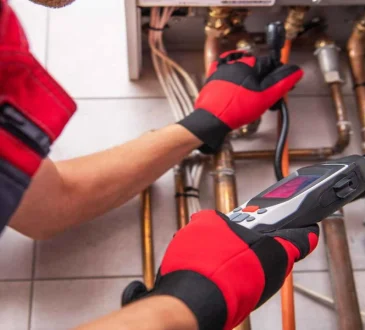
Some causes of slow heating require tools and expertise beyond routine homeowner maintenance. Gas pressure testing, electrical diagnostics, heat-exchanger inspection, and precise flow-rate measurements are best handled by trained technicians. Units that are undersized for the home’s peak demand often need replacement rather than repair. In hard-water regions, professional descaling performed at recommended intervals protects the heat exchanger and preserves response time.
If the unit is more than ten to fifteen years old and delays have increased despite regular care, evaluating newer models with improved flow rates and better modulation can restore the on-demand performance originally expected.
Conclusion
A tankless water heater that takes longer than expected to deliver hot water is usually responding to measurable factors rather than failing outright. Pipe distance, mineral buildup, flow restrictions, temperature rise demands, and capacity mismatches account for most extended delays. Addressing these issues through filter cleaning, descaling, recirculation options, and proper sizing restores quicker performance in many homes. Careful observation of when and how the delay appears guides the most effective next steps. With attention to these details, the convenience of on-demand hot water can return to the level the system was designed to provide.
==================================================