

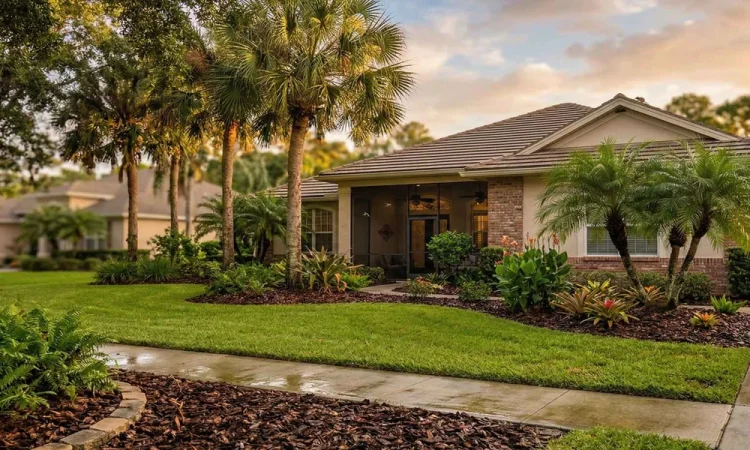

Clermont has added new neighborhoods across land that held citrus groves, pasture, and open scrub a generation ago. Builders clear and grade these lots, lay new sod, and dig stormwater ponds, and each step changes what pests do nearby. A new home can look clean and sealed while the surrounding ground is still being disturbed by grading, landscaping, irrigation, and construction. Homeowners looking for local pest control specialists may wonder why a brand-new house in Clermont can still develop pest problems.
Construction changes where pests can find food, cover, and shelter. Clearing vegetation and disturbing soil can displace rodents, ants, and other pests, while a finished house nearby can provide new sheltered spaces once the work progresses.
How Construction Changes Pest Activity
Grading and excavation disturb nests and burrows that were in the soil long before the subdivision arrived. Displaced rodents may seek new sources of food and shelter as work progresses, while a completed house can provide protected spaces around the garage, attic, and other parts of the structure. Construction debris and stacked materials give them cover during the move. Saela can inspect a newly finished home for the entry points displaced rodents use, which helps catch the problem before the rest of the phase is built out.
Ants can also take advantage of changes around a new home. Irrigation keeps parts of the new landscape moist, while slab edges and utility lines can create routes toward the structure.
What New-Home Termite Protection Covers
Florida requires termite protection as part of new residential construction. Depending on the approved system, protection can involve soil treatment, baiting, physical barriers, or other permitted methods. When required termite treatment is completed, the licensed pest-control company provides documentation for the building department.
That protection also depends on what happens after construction. Landscaping, irrigation work, additions, and digging near the foundation can disturb a treated area. UF/IFAS advises homeowners to keep wood away from the structure, direct water away from the foundation, and avoid digging close enough to damage an existing soil treatment.
A few construction details also give homeowners useful inspection points:
- Keep the six-inch clearance between the final soil grade and exterior wall covering so termite activity remains visible.
- Make sure roof downspouts and air-conditioner condensate discharge at least one foot away from the structure.
- Keep leftover wood, forms, stakes, and other cellulose debris away from the foundation. UF/IFAS recommends removing wood and plant debris that can provide shelter or food for pests.
For a new Clermont homeowner, the useful step is to find out what termite protection the builder installed and what ongoing warranty or service agreement, if any, came with the home.
Where Water Builds Up Around New Homes
Most new Clermont subdivisions include retention or detention ponds that manage runoff from the roads and roofs around them. These basins can become mosquito habitat when water remains long enough and the site provides suitable breeding conditions. Their presence close to homes makes drainage and pond maintenance relevant to residents.
New landscaping adds its own moisture. Fresh sod needs frequent irrigation, and new mulch beds stay damp against the foundation. Those conditions can draw ants, roaches, and other moisture-seeking pests toward the house while the yard establishes itself.
Checks to Make During the First Year
The first year in a new Clermont home is a good time to establish a few pest-prevention habits. Confirm the builder’s termite protection and ask how any ongoing warranty or service agreement is renewed. Keep mulch and soil below the six-inch inspection line, check that downspouts and condensate lines drain away from the slab, and look for signs of rodent activity in the garage, attic, and other sheltered areas.
As construction ends and residents settle in, new sources of shelter, food, and moisture can appear around the homes. Setting these checks early gives a homeowner a baseline before the trees grow tall enough to reach the roofline.