The Versatility of Wall-Mounted Lighting
Wall lights occupy a category that is easier to add to an existing room than almost any other fixture type. A new ceiling fixture requires matching the existing electrical box location; a new wall sconce can go almost anywhere on the wall with either hardwired connection to an existing circuit or a plug-in design that requires no electrical work at all. This placement flexibility makes them one of the most practical additions to a room that needs more light without requiring significant electrical work.
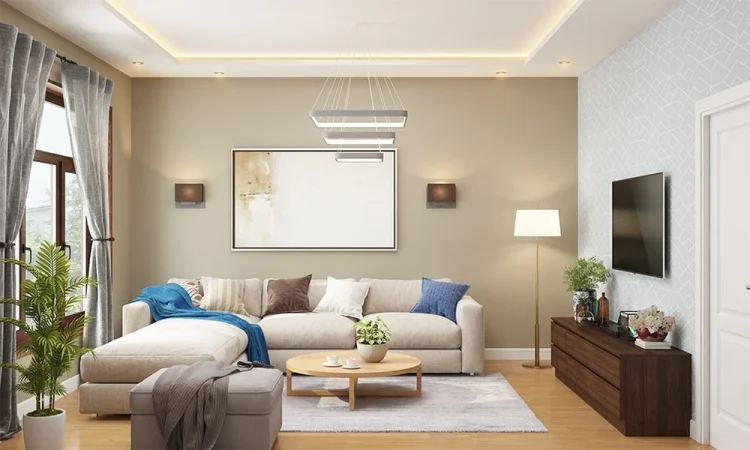
The visual contribution of wall lights is also more flexible than their ceiling counterparts. A single sconce serves as a functional accent; a pair flanking a mirror or artwork creates symmetry and emphasis; a series along a hallway provides continuous ambient illumination at an appropriate height for a narrow space where overhead fixtures would be disproportionate.
Wall lights available in current collections span from minimal, near-invisible designs that function primarily through the light they produce to prominent sculptural pieces that function as design objects as much as light sources. The appropriate choice depends on whether the fixture or its light output is meant to be the visual emphasis.
Hardwired vs. Plug-In: Making the Right Choice
The hardwired versus plug-in decision for wall lights involves a real trade-off between installation effort and finished appearance. Hardwired fixtures connect directly to building wiring with no visible cord – the cleanest possible appearance. They require either existing wiring at the installation location or running new wire from the nearest circuit, which typically means patching drywall. For permanent installations where the fixture is expected to stay indefinitely, the hardwired approach is consistently the right choice.
Plug-in wall sconces are more versatile than their cord visibility suggests. With cord covers – plastic or painted channels that attach to the wall and route the cord neatly from the outlet to the fixture – the visible cord is significantly less prominent than a bare cord hanging down the wall. For rentals, temporary installations, or rooms where the fixture location might change, plug-in designs provide the placement flexibility that hardwired designs do not.
The dimmer option for plug-in wall sconces is more limited than for hardwired fixtures. Some plug-in fixtures include an in-line dimmer on the cord; others work with smart bulbs that dim via an app. Hardwired fixtures can be connected to wall-mounted dimmers for a cleaner control experience.
Energy Star efficiency ratings apply to wall sconces as they do to other fixture types – useful for confirming that a fixture’s stated light output and color temperature meet independently verified standards.
Style Selection and Installation
Wall sconce style should relate to the room’s existing style vocabulary without necessarily matching it identically. A room with traditional furniture and millwork can accommodate a contemporary sconce if the finish coordinates with existing metal elements; a clean contemporary room can work with a fixture with some traditional reference if the form is restrained. The most reliable guide is whether the fixture’s visual language is in conversation with the room rather than in opposition to it.
Installation height is the detail worth confirming before drilling – measure twice, install once applies strongly to wall fixtures where the installation hole is visible as a patch if the height is wrong. Marking the intended center height with tape, standing back and evaluating from the position where the room is normally viewed, and adjusting before drilling prevents the common situation of an installed sconce that is slightly too high or low for the intended visual effect.