Every bundle of asphalt shingles has a number printed on its wrapper. Thirty years. Fifty. Limited lifetime. Anyone who has owned a house in Midland for a while learns to read that number the way they read a car’s fuel economy sticker. It describes a result achieved under kinder conditions than the ones outside the front door.
That gap isn’t a trick. Ratings and warranty terms assume a roof that bakes less, sees fewer hailstones and doesn’t get sandblasted every time a dust front rolls in off the Llano Estacado. Shingles here live a harder, faster life, and most of what decides their lifespan happens at predictable stages. Following a roof from the day it goes on to the day it comes off is the clearest way to see where the years get won or lost.
It also explains why the choice of installer matters more than the choice of color. Homeowners comparing Midland asphalt services will find contractors of every size. One of the long-standing local names is Schmitt Roofing & Construction, a GAF certified crew working out of Seminole that handles shingle roofs alongside metal, tile and storm repair work across the Permian Basin. Whoever ends up on the ladder, each stage below is worth asking them about.
Install Day Sets the Clock
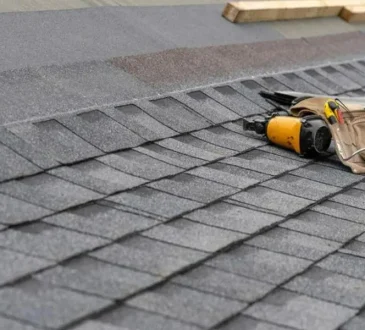
A shingle roof gets most of its lifespan decided in a day or two of work. The shingles themselves are the visible part. The details underneath and around them decide whether those shingles reach their potential or quit early.
A careful installation usually includes the following.
- A full tear-off down to the decking, so soft or delaminated plywood can be found and replaced instead of buried
- Drip edge along the eaves and rakes, which keeps water from wicking back into the fascia
- Synthetic underlayment over the whole deck, with self-adhered membrane in valleys and around penetrations
- A proper starter strip at the eaves, since the first course is where wind uplift usually begins
- Nails placed in the manufacturer’s nailing zone, with six per shingle where high wind is expected
- Balanced ventilation, with intake at the soffits and exhaust at or near the ridge
Timing matters as well. Each shingle has a strip of sealant that bonds to the course below once the sun warms it. A roof installed in a cold snap may sit unsealed for weeks, so good crews will hand-seal tabs when temperatures stay low.
Reading the Fine Print Behind “Lifetime”
“Limited lifetime” rarely means what it sounds like. Most shingle warranties include a stretch of full coverage up front, often around ten years, and then shrink on a prorated scale. Damage from poor installation is usually excluded, and so is damage from inadequate attic ventilation.
That second exclusion catches more homeowners than any other. The Asphalt Roofing Manufacturers Association explains in its residential asphalt roofing manual how ventilation, underlayment and shingles are meant to function as one system, and manufacturers write their warranties with that same thinking in mind. Contractors certified by a manufacturer can often register enhanced system warranties that also cover workmanship. Those usually require the full system of matching components and registration within a set window after the job is done, so it is worth confirming the paperwork actually got filed.
The First Summer Tells You Plenty
By the end of its first West Texas summer, a new roof has shown most of its installation flaws. Tabs that never sealed tend to lift during the first strong spring wind. A quick look from the yard after a blow will spot a row that sits slightly crooked or flutters.
Some granules in the gutters during this period are normal. Manufacturers apply a little extra, and the loose surplus washes off early. The attic is the better place to look. On a bright afternoon, any pinpoint of daylight around a vent or along a valley is a problem, and so are damp spots on the decking after a rain.
The Middle Years Belong to the Heat
From roughly year three to year twelve, a shingle roof in Midland is mostly fighting the sun. Surfaces climb well past 150 degrees on summer afternoons and cool sharply overnight. That daily swing makes the asphalt expand and contract. Ultraviolet light also oxidizes the binder, slowly turning a flexible shingle stiff.
Wind-driven dust adds its own wear, scouring granules loose a little at a time, and those granules are what protect the asphalt from UV in the first place. Lighter shingle colors and good attic airflow both slow the process. A common building code baseline calls for one square foot of net free vent area for every 150 square feet of attic floor, or half that ratio when intake and exhaust are balanced.
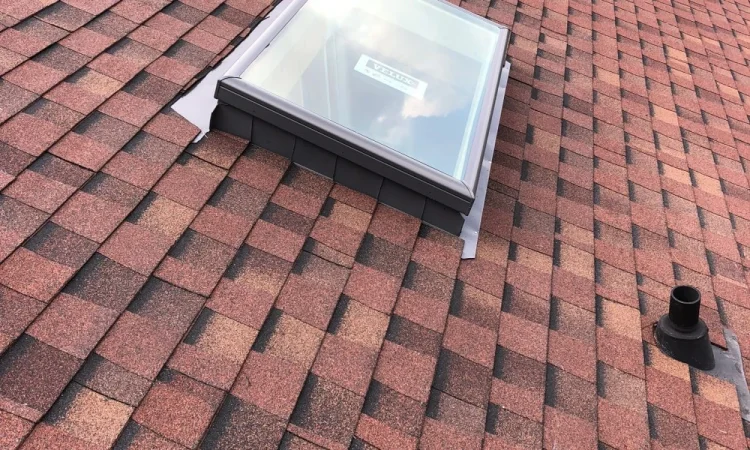
The first real repairs in these years often have nothing to do with shingles. Rubber pipe boots dry out and crack in strong sun, sometimes in under a decade, and they cause a surprising share of leaks on otherwise healthy roofs. Replacing a few boots and resealing exposed flashing costs very little and buys years.
When the Gutters Start Collecting Sand
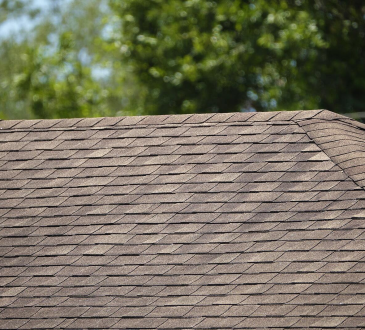
Late in its life, the roof starts announcing itself. Gutters and downspout splash areas fill with dark grit that looks like coarse sand. Shingles develop bald patches where the black asphalt shows through. Edges cup upward, or the centers bow up while the corners stay flat, a pattern roofers call clawing. On a cool morning, an aged shingle will crack instead of bending if lifted.
Nail pops show up as small bumps, and stains on upstairs ceilings follow soon after. Around this stage, insurance can change too. Some Texas carriers inspect older roofs at renewal or cover them only at actual cash value, meaning a claim pays the depreciated worth of the roof rather than the cost of replacing it. Reading the declarations page before storm season makes that clear well before it matters.
One Layer or a Fresh Start
When replacement comes, someone will likely mention laying new shingles over the old ones. Building codes in most areas allow a second layer, but not over roofing that is wet, deteriorated or already doubled. On paper, an overlay saves the cost of tear-off and disposal.
In practice it trades away a great deal. The crew can’t see or replace damaged decking. The old layer holds heat against the new one, which shortens its life in a climate that already runs hot. The added weight sits on framing that was never sized for it, and some manufacturers limit warranty coverage on overlays. After a hailstorm, a two-layer roof also makes it harder to separate new damage from old during a claim.
A roof that starts over on clean, solid decking resets the clock fully. Given how much faster that clock runs under the Midland sun, starting fresh tends to be the choice homeowners are glad they made fifteen or so years later, when the next set of gutters starts filling with grit.