Defining Home Maintenance And Improvement for Property Longevity
To effectively manage our homes, it’s crucial to understand the distinction between home maintenance and home improvement. While both are vital for property longevity and value, they serve different purposes. Home maintenance focuses on preserving the status quo, ensuring our homes remain in good working order, and preventing deterioration. These are the routine tasks and repairs that uphold structural integrity and habitability, safeguarding our initial investment.
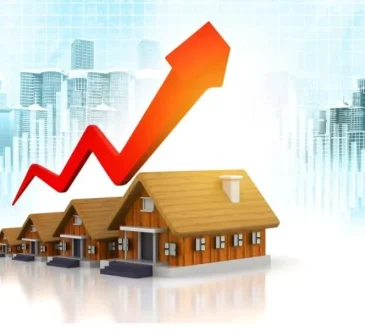
Conversely, home improvement involves making changes or additions that enhance a property’s quality, aesthetic appeal, or functionality. These are often elective upgrades designed to modernize, personalize, or increase the home’s market value. By balancing preventative care with strategic enhancements, we ensure our property not only endures but also evolves to meet changing needs and market demands. This dual approach is key to long-term value retention and a comfortable living environment.
Here’s a simple way to conceptualize the difference:
Feature Home Maintenance Home Improvement Primary Goal Preserve, protect, prevent deterioration Enhance, upgrade, add value, modernize Nature of Work Routine, recurring, necessary repairs, upkeep Elective, non-recurring, significant changes, additions Impact on Value Prevents depreciation, retains existing value Increases market value, improves aesthetics/functionality Typical Costs Generally lower, ongoing Often higher, one-time or project-based Focus Structural integrity, habitability, safety Aesthetic appeal, functionality, energy efficiency Comprehensive Checklists for Indoor and Outdoor Upkeep.
A proactive approach to home maintenance can prevent minor issues from escalating into major, costly repairs. Creating and adhering to comprehensive checklists for both indoor and outdoor tasks is a cornerstone of responsible homeownership. These checklists help us monitor air quality, ensure plumbing systems are leak-free, maintain electrical safety, and protect the structural integrity of our homes from the roof down to the foundation. Regular attention to areas such as gutter cleaning, pest prevention, and moisture control can significantly extend the lifespan of our property components. For instance, maintaining your home’s interior, including the flooring, is essential for both aesthetics and durability. If you’re looking for guidance on keeping your floors in top condition, exploring resources from an Expert home maintenance flooring specialist can provide valuable insights.
Monthly and Seasonal Indoor Tasks
Our indoor spaces require consistent attention to remain safe and comfortable. Many tasks are simple enough for DIY, while others might require professional assistance.
- Smoke and Carbon Monoxide Detectors: We should test these critical safety devices monthly. Remember to change their batteries twice a year and replace the entire unit every 10 years for optimal performance.
- HVAC Filters: Changing these filters at least once every three months, or according to system instructions, is crucial for maintaining good air quality and system efficiency. Regular HVAC maintenance also extends the unit’s lifespan.
- Faucet Aerators: Clean these every three to four months to ensure good water flow and prevent mineral buildup.
- Drain Cleaning: Address slow drains promptly with natural solutions or a drain snake to prevent clogs.
- Appliance Seals: Inspect seals on refrigerators, dishwashers, and washing machines for wear and tear, replacing them as needed to prevent leaks and maintain efficiency.
- DIY Leak Repair: Learn basic techniques to fix minor leaks under sinks or around toilets and prevent water damage.
- Fire Extinguishers: Check the pressure gauge monthly and ensure they are easily accessible. Confirm the expiration date and replace as needed.
- Battery Replacement: Beyond smoke detectors, regularly replace batteries in thermostats, security system sensors, and other battery-operated devices.
- Inspect Major Systems: Perform visual checks of major appliances and systems. Listen for unusual noises and look for any signs of wear or damage.
Outdoor Systems and Structural Integrity
The exterior of our home bears the brunt of weather and environmental factors, making regular outdoor maintenance essential.
- Roofing Shingles: A qualified roofer should inspect our roof every three years for missing, damaged, or curling shingles. Addressing these issues promptly prevents water penetration.
- Downspout Alignment and Gutter Clearance: Clean gutters regularly, especially in the fall, to prevent debris buildup. Ensure downspouts direct water away from the foundation to avoid water damage and basement flooding.
- Siding Inspection: Periodically check siding for cracks, warping, or loose panels that could allow moisture infiltration.
- Window Caulking: Inspect caulking around windows and doors. Replace any cracked or deteriorated caulk to prevent drafts and moisture entry.
- Deck Pressure Washing and Sealing: Clean and seal wooden decks annually to protect them from weathering and extend their lifespan.
- Landscaping Debris: Keep shrubbery trimmed away from the house and clear leaves and debris from around the foundation to prevent pest harborage and moisture retention.
- Masonry Efflorescence: Address white, powdery deposits on brick or concrete walls, which indicate moisture issues, by scrubbing with water and a stiff brush.
- Chimney Sweeps: If we frequently use our fireplace, a CSIA-Certified chimney sweep should inspect and clean the chimney annually to prevent creosote buildup and fire hazards.
- Garage Door Maintenance: Lubricate the moving parts of our garage doors every three months. This preventive measure, recommended annually based on 2,000 cycles per year, helps extend the system’s life and prevent unexpected breakdowns.
Strategic Upgrades for Energy Efficiency and Safety
Investing in strategic upgrades not only enhances our comfort but also contributes significantly to long-term savings and increased property value. Energy-efficient improvements reduce utility bills, while safety upgrades offer peace of mind. We can focus on improving our home’s thermal envelope by weatherizing, upgrading to modern heating and cooling systems like heat pumps, and improving insulation. Smart home technology and security systems offer convenience and protection, while proper ventilation and moisture barriers safeguard against environmental damage.
High-ROI Home Maintenance And Improvement Projects
Certain home improvements offer a higher return on investment, making them popular choices for homeowners looking to boost value.
- Kitchen Modernization and Bathroom Refreshes: These areas are often focal points for buyers. Updates to fixtures, countertops, and appliances can significantly increase appeal.
- Energy-Efficient Windows: Replacing old windows with energy-efficient models reduces heat loss and gain, cutting energy costs and improving comfort.
- Basement Finishing: Converting an unfinished basement into usable living space adds square footage and functionality.
- Attic Insulation: Upgrading attic insulation is a cost-effective way to improve energy efficiency and regulate indoor temperatures.
- Curb Appeal Enhancements: Projects like fresh exterior paint, updated landscaping, and a new front door can dramatically improve the home’s first impression.
- Functional Floorplans: Minor renovations to improve flow or open up living spaces can make a home more attractive.
- Lighting Upgrades: Modern, energy-efficient lighting can transform the ambiance and reduce electricity consumption.
Energy Efficiency and Weatherization
Optimizing our home’s energy performance is a smart move for both our wallets and the environment.
- Tax Credits and Rebates: Many government programs offer tax credits or rebates for energy-efficient upgrades, such as new windows, insulation, or heat pump installations. It’s wise to research these opportunities as they can significantly offset costs.
- Weather Stripping and Threshold Seals: Installing or replacing weather stripping around doors and windows, and adding threshold seals at the bottom of exterior doors, prevents drafts and air leakage. This is particularly effective for garage doors, where proper sealing can dramatically improve insulation and reduce energy loss.
- Door Sweeps: Similar to weather stripping, door sweeps are installed at the bottom of doors to block drafts.
- Programmable Thermostats: These devices allow us to set heating and cooling schedules, optimizing energy use when we’re away or asleep.
- Solar Readiness: While not always a full solar installation, preparing our home for future solar panels (e.g., ensuring roof integrity, conduit installation) can be a smart long-term investment.
- Pipe Insulation: Insulating exposed hot water pipes reduces heat loss and ensures hot water arrives faster, saving energy.
- Draft Reduction: Beyond windows and doors, identify and seal other sources of drafts, such as electrical outlets, recessed lighting, and attic hatches.
Navigating Financial Assistance and Professional Services
Understanding when to tackle a project ourselves and when to call in the experts is crucial. While DIY projects can save money, some tasks require specialized skills, tools, and safety knowledge that only licensed contractors or tradespeople possess. For example, structural repairs, electrical overhauls, or significant HVAC servicing are best left to professionals. Moreover, many homeowners can benefit from financial assistance programs that make essential repairs and energy-efficiency upgrades more accessible. For specialized exterior components like garage doors, especially in areas with specific climate challenges, seeking out experts in Oak Hills home improvement garage doors can ensure proper installation and longevity.
Government Programs for Specialized Groups
Government programs often provide vital assistance for home repairs and energy efficiency, particularly for underserved groups.
- Native American Assistance: Programs exist to help American Indian or Alaska Native individuals with home repairs and renovations. These often focus on improving housing conditions on tribal lands or for eligible tribal members.
- Veteran Housing Grants: Veterans may qualify for grants and loans to adapt homes for disabilities, make necessary repairs, or purchase new homes.
- Rural Resident Loans: The USDA offers various programs, including direct loans and grants, to help low-income rural residents repair or improve their homes to remove health and safety hazards.
- Low-Income Weatherization: Government weatherization programs help low-income households reduce energy costs by improving home energy efficiency. These programs often cover insulation, air sealing, and minor repairs.
- Health and Safety Violations: Many programs specifically target homes with health and safety violations or systems at risk of failure, offering deferred loans or grants to address these critical issues. Eligibility often depends on household income relative to HUD median income limits for the area.
When to Consult Home Maintenance And Improvement Experts
While we encourage proactive DIY, recognizing when to call a professional is key to safety and avoiding costly mistakes.
- Structural Repairs: Any issues affecting the foundation, load-bearing walls, or roof structure require professional assessment and repair to ensure the home’s stability.
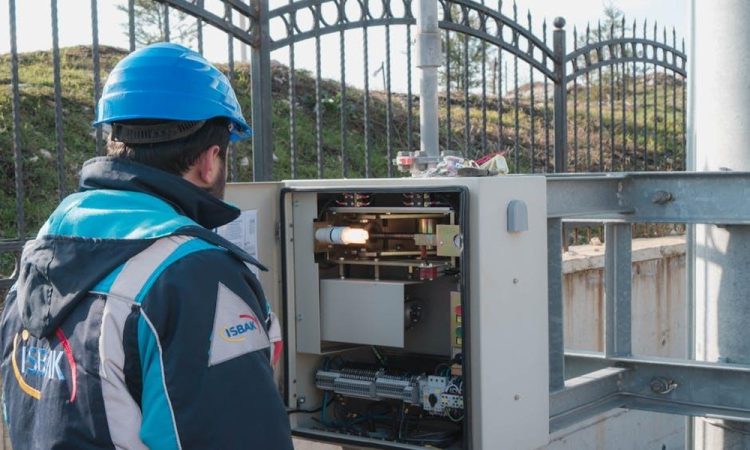
- Electrical Overhauls: Electrical work, including panel upgrades, new wiring, or troubleshooting complex issues, should always be handled by a licensed electrician to prevent fire hazards and ensure code compliance.
- HVAC Servicing: Regular preventive maintenance is essential to keep HVAC systems running optimally, extend their lifespan, and improve air quality. Professionals can perform thorough inspections, clean coils, check refrigerant levels, and ensure all components are functioning correctly.
- Roof Certification and Major Repairs: While we can visually inspect our roofs, a qualified roofer should conduct a detailed inspection every 3 years and handle any significant repairs or replacements.
- Garage Door Balancing and Repairs: Garage doors are heavy and operate under high tension. Issues such as broken springs, frayed cables, or off-track doors are dangerous and require a trained professional for safe, effective repair. Anytime Garage Door, for example, recommends annual preventive maintenance based on 2,000 cycles per year. The moving parts of garage doors should be oiled every 3 months, but an expert should handle any complex repairs.
- Cold Weather Impacts: In regions like Chicago, where lake-effect snow and extreme cold are common, garage doors and exterior components face unique challenges. Cold temperatures can make metal components brittle and thicken lubricants, leading to malfunctions. Professionals understand these climate-specific maintenance needs and can provide tailored solutions.
- Professional Safety Inspections: Beyond specific repairs, consider annual whole-home safety inspections by a qualified professional to catch hidden issues before they become emergencies. Handyman Connection professionals, for instance, have an average of 10 years’ experience in their trade, bringing valuable expertise to these assessments.
Frequently Asked Questions about Home Maintenance And Improvement
What is the primary difference between home maintenance and home improvement?
The primary difference lies in their goals. Home maintenance involves routine tasks and repairs to preserve your home’s condition, prevent deterioration, and ensure its functionality and safety. Think of it as proactive care to retain your home’s current value and habitability. Home improvement, on the other hand, refers to projects that enhance your home’s aesthetic appeal, functionality, or market value by adding new features, modernizing existing ones, or upgrading systems beyond basic repair. Maintenance keeps your home running; improvement makes it better.
How often should major systems like the roof and HVAC be inspected?
For optimal performance and longevity, major systems require regular inspections. We recommend having a qualified roofer inspect your roof every three years to check for damage, wear, and potential leaks. HVAC systems should undergo professional preventative maintenance annually, ideally before the heating and cooling seasons, to ensure they run efficiently, maintain good air quality, and extend their lifespan. Regular checks and servicing prevent minor issues from becoming costly breakdowns.
What financial assistance is available for low-income energy efficiency upgrades?
Several government programs offer financial assistance for low-income households to make energy-efficient upgrades. The federal Weatherization Assistance Program (WAP) helps reduce energy costs for low-income individuals by improving home energy efficiency. Additionally, state and local governments, as well as utility companies, often offer programs that provide grants, rebates, or low-interest loans for upgrades such as insulation, energy-efficient windows, and new heating/cooling systems. These programs aim to make homes more affordable to heat and cool, while also improving comfort and safety.
Conclusion
Our homes are more than just structures; they are significant investments and the backdrop to our lives. Embracing a philosophy of proactive ownership, prioritizing both routine home maintenance and strategic home improvement, is fundamental to protecting this asset. By adhering to regular safety standards, we safeguard our families and property. Through thoughtful upgrades, we enhance property value and contribute to sustainable living.
The journey of homeownership is continuous, requiring routine diligence and a willingness to seek expert consultation when necessary. From changing smoke detector batteries every six months to having our roofs inspected every three years, each task contributes to the overall well-being of our home. We hope this guide empowers you to approach your homeowner responsibilities with confidence, ensuring your property remains a safe, valuable, and enjoyable haven for years to come.