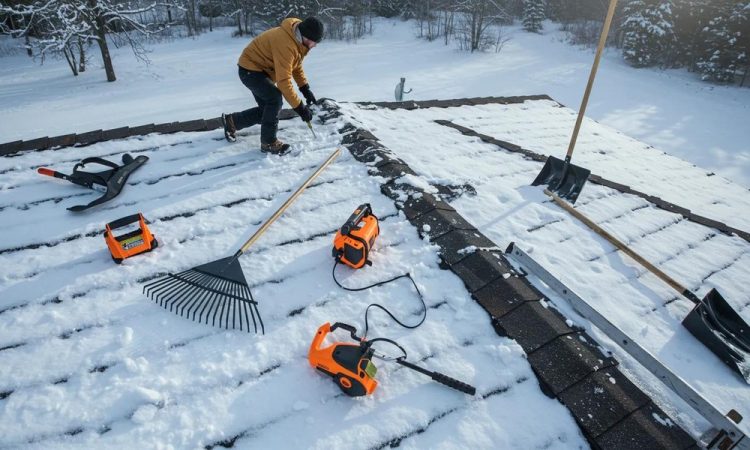
The winter season brings heavy snow and freezing ice. Every roof reacts differently to these harsh cold elements. Your home protection depends on the specific roofing material. Different structures require unique care during the freezing months. Homeowners must understand how their specific roof handles the winter. A proactive approach prevents expensive damage from leaks or collapses. On Top Roofing Service provides expert guidance for these diverse weather challenges. You can preserve your home value with the right seasonal plan.
Asphalt Shingles and Cold Resilience
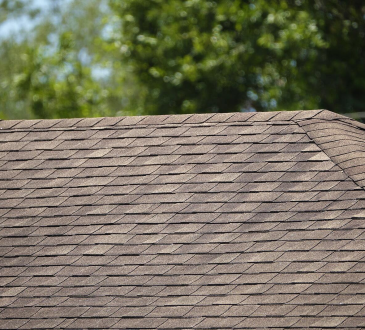
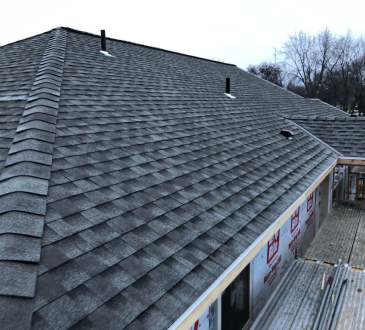
Asphalt shingles are very common on many modern houses. These shingles become brittle when the temperature drops very low. Small cracks may form during extreme thermal expansion cycles. High winds often lift the weakened edges of older shingles. Now you must check for loose tabs before big storms. Proper sealing ensures the shingles stay attached during heavy blizzards. Water can seep under the layers during a slow thaw. Sometimes the shingles lose their protective granules in the wind. The winter roof maintenance involves checking these shingles for any visible signs of wear.
Metal Roofing and Snow Shedding
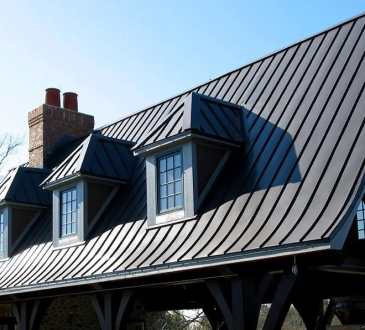
Metal roofs handle the heavy snow loads very effectively. The smooth surface allows the frozen precipitation to slide off. This prevents a massive weight build up on the structure. But large falling snow slabs can damage your lower gutters. You should install snow guards to manage the sliding ice. These guards break the heavy sheets into much smaller pieces. Metal expands and contracts significantly during the changing winter days. The fasteners might loosen over several years of temperature shifts. On Top Roofing Service recommends tightening these screws to maintain a tight seal.
Flat Roofs and Drainage Issues
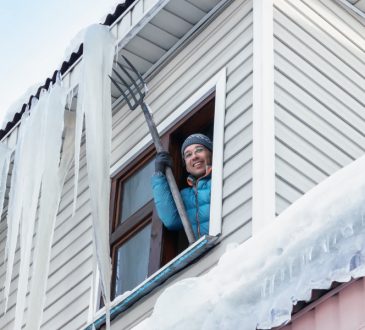
Flat roofs face the greatest risk from standing melted water. Snow does not slide off these horizontal surfaces easily. The weight creates significant stress on the internal support beams. Ice dams often form around the edges of the roof. These dams block the water from reaching the primary drains. Now the pooling water finds tiny gaps in the membrane. You must keep the drain covers clear of any debris. Sometimes a specialized heating cable helps prevent the thick ice. Constant monitoring ensures the flat surface remains clear and safe.
Tile Roofs and Freeze Cycles
Clay and concrete tiles offer a very beautiful aesthetic look. These heavy materials possess high thermal mass for the home. But the porous nature allows small amounts of moisture inside. The trapped water expands as it turns into solid ice. This process can crack the tiles over a long winter. You should inspect the underlayment for any signs of failure. Replacing a single cracked tile prevents a much larger leak. The weight of the tiles adds to the snow load. On Top Roofing Service suggests professional inspections to verify the structural integrity.