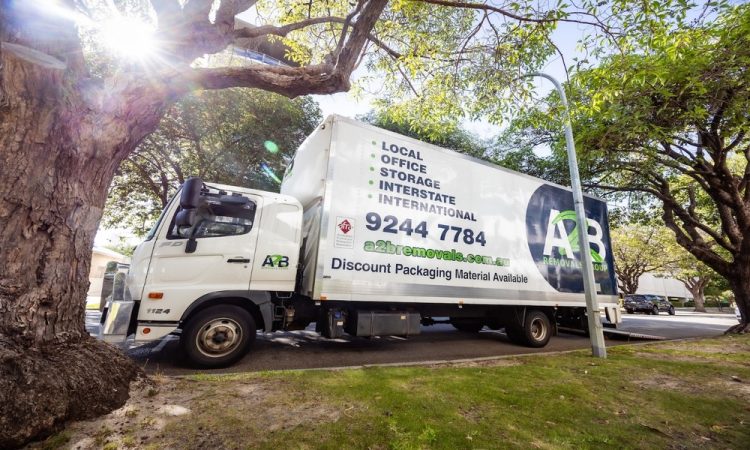
Embarking on a move across state lines is a significant life event, often bringing a mix of excitement and apprehension. While the thought of a fresh start in a new city or region is appealing, the logistical and financial complexities of professional Interstate Relocations, and how to find reliable interstate removalists in Perth, or Melbourne interstate removalists.
1. Moving Company Costs and Logistics
- Full-Service Movers: If you opt for a full-service moving company, such as trusted removalists Perth or an experienced interstate removalist Adelaide, obtain at least three written estimates from reputable, licensed, and insured companies. Be wary of quotes that seem too good to be true. Understand what’s included (packing, loading, transport, unloading) and what might be extra (disassembly/assembly of furniture, long carries, stairs, shuttle service for difficult access). Clarify their insurance policies and your responsibilities.
- DIY or Hybrid Options: Renting a truck (U-Haul, Budget, Penske) or using moving containers (PODS, U-Pack) can be more cost-effective but requires more personal effort. Factor in fuel costs, mileage, tolls, and potential overnight stays if driving a long distance. For containers, consider the rental period, drop-off/pickup fees, and storage solutions.
- Packing Supplies: Don’t forget the cost of boxes, packing tape, bubble wrap, packing paper, markers, and specialty containers for fragile items. You can save by sourcing free boxes from local stores or online marketplaces, but ensure they are sturdy.
- Specialty Items: If you have pianos, valuable artwork, or large appliances, inquire about specialized movers or additional handling fees.
2. Travel Expenses
Your journey to the new state will incur costs beyond just moving your belongings. If you’re driving, budget for fuel, potential vehicle maintenance checks before departure, tolls, and overnight accommodation along the route. For flights, book in advance for better rates and consider baggage fees. Don’t forget meals and snacks for the road or airport. If you have multiple vehicles and can’t drive them all, factor in the cost of vehicle transport services.
3. Housing Overlap and Temporary Stays
There’s often a period where you might be paying for housing in both your old and new locations, or you might need temporary accommodation. If selling your current home, consider potential mortgage payments, property taxes, and utility costs until the sale closes. If renting, understand your lease termination clauses and potential penalties for breaking a lease early. On the new end, budget for temporary lodging like hotels or short-term rentals if your new home isn’t immediately available, or if you need time to find permanent housing.
4. Selling Your Current Home or Breaking a Lease
If you’re selling, real estate agent commissions typically range from 5-6% of the sale price. Add closing costs (attorney fees, transfer taxes, title insurance) which can be 2-5% of the sale price. Minor repairs or staging might also be necessary to attract buyers. For renters, breaking a lease can mean losing your security deposit, paying a penalty equivalent to a month or two of rent, or being responsible for rent until a new tenant is found. Review your lease agreement carefully and communicate with your landlord early.
5. Utility and Service Transfers
Before you move, you’ll need to disconnect utilities (electricity, gas, water, internet, trash) and cancel local services (gym memberships, newspaper subscriptions). Be prepared for final bills and potential early termination fees. In your new state, you’ll incur new setup fees and possibly security deposits for utilities. Research providers in your new area and compare rates well in advance.
Navigating Financial Changes Post-Relocation
Once you’ve settled into your new state, the financial planning doesn’t stop. Adapting to a new economic landscape is crucial for long-term financial stability.
1. Understanding the New Cost of Living
The cost of living varies dramatically between states and even within different cities in the same state. Research the average costs for housing (rent/mortgage), groceries, transportation (public transit, gas prices), utilities, and entertainment in your new area. Websites like Numbeo or the Council for Community and Economic Research (C2ER) can provide valuable insights. A higher salary might seem appealing, but if the cost of living is significantly higher, your purchasing power could actually decrease. Adjust your monthly budget to reflect these new realities.
2. Income and Employment Adjustments
If you’re moving without a job lined up, factor in several months of living expenses into your savings. Even with a job, there might be a gap between your last paycheck and your first new one. Understand the pay schedule of your new employer. If your new job comes with a different salary, adjust your income projections and budgeting accordingly. Don’t forget potential expenses related to job searching, such as professional attire, networking events, or certification transfers.
3. Updating Your Financial Infrastructure
- Banking: Consider opening an account with a local bank or a national bank with branches in your new state. This can simplify transactions and avoid out-of-network ATM fees. Update your address with all financial institutions, credit card companies, and investment firms.
- Insurance: Your auto and home/renters insurance rates will almost certainly change in a new state. Obtain quotes from multiple providers well before your move. Car insurance rates are highly dependent on location, and homeowners/renters insurance will reflect local property values and risks (e.g., flood zones, hurricane areas). Update your health insurance if your plan is state-specific or if you need to find new in-network providers.
- State Taxes: Research the income tax, sales tax, and property tax structures of your new state. Some states have no income tax, while others have high progressive rates. This will significantly impact your take-home pay and overall financial burden. Consult a tax professional if you have complex financial situations or questions about residency rules.
4. Building a Local Emergency Fund
Beyond your general emergency fund, it’s wise to have a dedicated buffer for post-move unexpected costs. This could include unforeseen repairs in a new home, unexpected medical expenses, or a longer-than-anticipated job search. Aim to have at least three to six months of essential living expenses saved, preferably in an easily accessible, high-yield savings account.
Conclusion: Your Roadmap to a Financially Smooth Relocation
An interstate move is a monumental undertaking, but with meticulous financial planning, you can transform a potentially stressful experience into an exciting fresh start. By thoroughly researching and budgeting for every aspect of your relocation – from finding reliable interstate removalists in Sydney to the long-term adjustments in your new environment – you empower yourself to navigate challenges with confidence. Start early, get organized, and don’t hesitate to seek professional advice for complex financial or tax situations. With a solid financial plan in place, you’ll be well-prepared to embrace all the opportunities your new state has to offer, without financial strain.