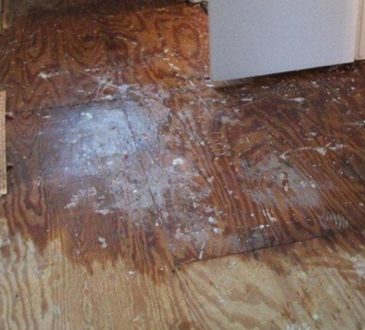
The evidence accumulates slowly, documented in thousands of maintenance records, insurance claims, and building defect reports filed across the island. Wall leakage Singapore has emerged as a persistent challenge in both residential and commercial properties, a problem rooted in construction practices, climate realities, and the complex interplay between design specifications and real-world performance.
Documenting the Problem
Investigation into wall leakage Singapore reveals patterns that span decades of construction. Records from the Building and Construction Authority show water seepage complaints ranking consistently among the top building defects reported. These are not isolated incidents but systematic failures occurring across different building types, ages, and construction methods.
The mechanism is straightforward. Singapore receives approximately 2,400 millimetres of rainfall annually, distributed across frequent tropical downpours. When buildings lack adequate waterproofing or when protective systems degrade, water finds entry points. External walls, particularly those facing prevailing winds during monsoon seasons, bear the brunt of driving rain. Internal walls suffer when plumbing fails or when water migrates from adjacent wet areas.
Identifying the Entry Points
Forensic examination of wall leakage Singapore cases reveals common vulnerabilities. Engineers and waterproofing specialists who document these failures report recurring patterns:
- Compromised expansion joints where building sections meet, allowing water penetration during structural movement
- Deteriorated sealants around window frames and architectural features exposed to weather
- Hairline cracks in external render or plaster that widen over time through thermal expansion
- Failed waterproofing membranes behind bathroom or kitchen wall tiles
- Corroded or damaged concealed piping within wall cavities
- Inadequate flashing details at roof-to-wall junctions in landed properties
Each entry point tells a story. Some trace back to original construction, where specifications were not fully executed or where materials proved inadequate for tropical conditions. Others result from ageing, the inevitable degradation of sealants, membranes, and protective coatings under relentless sun and rain.
The Investigation Process
Professional detection of wall leakage Singapore employs methodical investigation techniques borrowed from forensic science. Moisture meters map dampness distribution across wall surfaces, identifying affected zones. Thermal imaging cameras reveal temperature differentials that indicate water presence behind finishes. In complex cases, endoscopic cameras inspect wall cavities without destructive opening.
Documentation proves crucial. Photographs time-stamped and geo-located. Moisture readings recorded systematically. Material samples collected for laboratory analysis. This evidence establishes not only the presence of water but traces its source and migration path.
The Housing & Development Board’s technical guidelines state that “proper investigation of water seepage requires systematic assessment of all potential sources and pathways before remedial works commence.” This procedural rigor separates professional investigation from guesswork, ensuring repairs address actual causes rather than visible symptoms.
The Cost Calculus
Financial records reveal the true impact of wall leakage Singapore. Individual repair costs vary from hundreds to thousands of dollars depending on severity and access requirements. Multiply these across thousands of affected units annually, and the economic burden becomes substantial.
Yet direct repair costs represent only partial accounting. Wall leakage damages furnishings, electronics, and personal belongings. It necessitates temporary relocation during repairs. It reduces property values. Insurance premiums increase. In commercial settings, business interruption costs mount when wall leakage forces closure of affected spaces.
The hidden costs accumulate in health impacts. Mould growth behind damp walls releases spores that trigger respiratory problems. Prolonged exposure to damp indoor environments correlates with increased asthma incidence, particularly affecting children. These health consequences rarely appear in building defect statistics but represent real costs borne by residents.
Repair Protocols and Standards
Effective resolution of wall leakage Singapore follows established protocols. Surface treatments alone prove inadequate. Professional remediation requires:
- Complete source identification through systematic investigation
- Removal of damaged materials including compromised plaster, render, or tiles
- Treatment of affected substrates to eliminate mould and ensure structural soundness
- Application of appropriate waterproofing systems matched to exposure conditions
- Reconstruction using materials and methods suited to Singapore’s tropical climate
- Final inspection and testing to verify water-tightness
The Society of Project Managers Singapore emphasises that “waterproofing works must be executed by qualified personnel following manufacturer specifications and industry best practices to ensure long-term effectiveness.” This professional standard exists because shortcuts inevitably fail, creating recurring problems and escalating costs.
Prevention and Maintenance
Analysis of building maintenance records shows clear correlation between preventive maintenance investment and wall leakage incidence. Buildings with scheduled inspection programmes, prompt attention to minor defects, and periodic waterproofing assessment experience significantly fewer major failures.
The economics favour prevention. Regular sealant renewal costs a fraction of wall reconstruction. Early crack repair prevents water entry that causes extensive hidden damage. Systematic maintenance protects property values while avoiding emergency repairs during crises.
Conclusion
The accumulated evidence regarding wall leakage Singapore reveals both a significant ongoing challenge and clear pathways to resolution. Professional detection identifies specific failure mechanisms. Proper repair protocols address root causes. Preventive maintenance reduces future incidence. What remains is implementation, the commitment of resources and expertise necessary to protect Singapore’s built environment from the persistent threat of water intrusion.