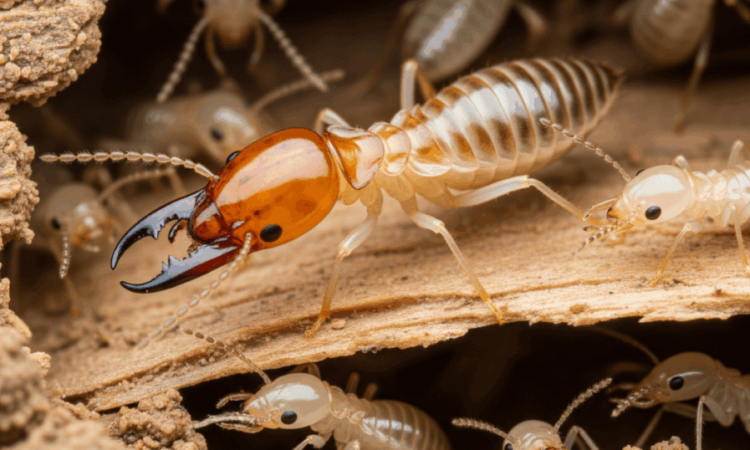
Drywood termites don’t invade overnight. They walk in unnoticed, beg nesting inside wood and live for years undiscovered. Most infestations occur when minor threats are allowed to linger for too long. It describes in a step-by-step manner to check for drywood termite prevention using home audit approach that eliminates guesswork and focusses on removing risk to your property.
Step 1: Find Out Where Your Home is Most Vulnerable
Drywood termites infest dry solid wood. Begin with places that are not visited on a near daily basis.
- High-risk spots include:
- Rooftops: Rafters & fascia board
- Door and window frames
- Attics, lofts, and ceiling joints
Wood that looks cracked, exposed, or weathered is at risk. Prevention begins with awareness.
Step 2: Put Wood on Immediate Exposure Drought
Termites love unprotected wood and the biggest invitation you can give them.
Lower your risk by:
- Painting or sealing exterior wood
- Repairing splits and surface damage
- Replacing old, weathered boards
This step is not cosmetic. Sealing things up tightly is one of the primary methods of how to prevent drywood termites.
Step 3: Secure Vulnerable Access Points
For drywood termites, this has to be a small opening. Tiny gaps are enough.
Focus on sealing:
- Gaps around window trim
- Roof joints and vent openings
- Cracks where wood meets masonry
Here, it matters to have good caulk and clean-fitting materials. Once sealed, termites lose access.
Step 4: Manage What You Invite into Your Home
It’s important to note that not all infestations take place within the structure of a home; most actually start with the furniture.
Inspect these items carefully:
- Used or antique furniture
- Wooden décor stored outside
- Lumber or craft wood
Examine for round like object, hollow sounds or blister surfaces. If in doubt, leave it out. And this routine also reinforces the direction on how to get rid of drywood termites without using chemicals.
Step 5: Adjust Indoor Conditions
Drywood termites typically prefer stable and unchanging conditions.
Lower their chances by:
- Ventilating attics properly
- Preventing roof space heat trap
- Store wood off the ground, with space between pieces
Moisture is not necessary, but good flow prevents the termites.
Step 6: Make Inspections Routine
Don’t wait until you notice something is wrong (the kind of damage that you can see).
Routine inspections help you:
- Spot early warning signs
- Catch colonies before they spread
- Avoid costly structural repairs
These should ideally be conducted annually, particularly if you live in an area where termites are common.
What Most Homeowners Overlook
These mistakes increase risk:
- Assuming paint lasts forever
- Forgetting attic inspections
- Treating prevention like a one-time task
Drywood termites rely on neglect. Consistency shuts them out.
Turn Prevention into a Habit
Most homes that avoid termites follow the same simple rules:
- Seal and reseal exposed wood
- Inspect before problems show
- Stay proactive year-round
This is how to stop drywood termites works in real life.
Final Perspective
No moisture, noise, or warning signs needed for drywood termites. They only need access. The secret to drywood termite prevention, then, is to plug all potential entry points, secure wood surfaces, and eliminate silent threats before they flourish. Termites never have the opportunity to move in and destroy property when prevention becomes part of routine maintenance.