When the summer heat settles over Southern California, a functioning air conditioner moves from being a luxury to an absolute necessity. Homeowners often take their cooling systems for granted until the day the vents start blowing lukewarm air or the unit refuses to turn on at all. Understanding the mechanics of your system can help you identify minor issues before they escalate into major mechanical failures. If you find yourself struggling with a system that just can’t keep up with the rising temperatures, seeking professional AC repair in Glendale, CA is the most effective way to restore comfort to your home. By diagnosing problems early, you can often save significantly on energy costs and avoid the stress of a total system breakdown during a heatwave.
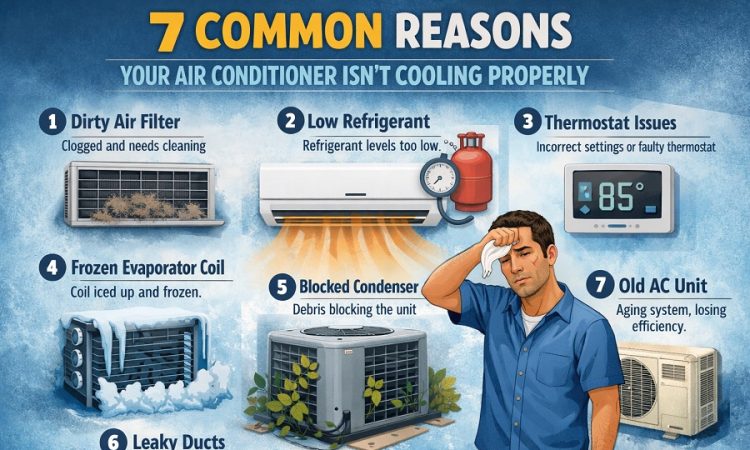
Dirty Air Filters: The Silent Performance Killer
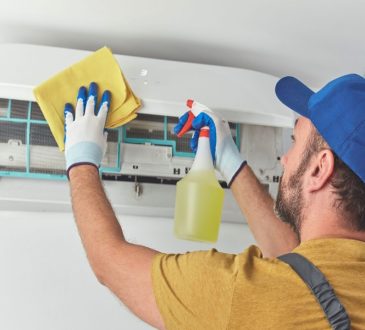
The most frequent cause of air conditioning issues is also the easiest to fix: a dirty air filter. Your HVAC system relies on steady airflow to function correctly. When the filter becomes clogged with dust, pet dander, and debris, the blower fan has to work twice as hard to pull air through the system. This strain leads to overheating and can even cause the evaporator coils to freeze over.
Homeowners should check their filters every 30 days, especially during peak cooling months. If you have pets or live near high-traffic areas where dust is more prevalent, you may need to replace them more frequently. A clean filter not only improves air quality but also ensures your system operates at peak efficiency.
Refrigerant Leaks and Low Levels
Refrigerant is the substance your air conditioner uses to remove heat and humidity from the indoor air. Contrary to popular belief, an AC unit does not “consume” refrigerant; it circulates it in a closed loop. If your system is low on refrigerant, it almost certainly means there is a leak somewhere in the lines.
Signs of a leak include hissing sounds, ice buildup on the outdoor refrigerant line, and a house that stays warm despite the unit running constantly. Because handling refrigerant requires specialized tools and EPA certification, identifying a leak is a primary reason residents schedule AC repair in Glendale, CA. Attempting to “top off” the system without fixing the leak is a temporary fix that can lead to permanent compressor damage.
Thermostat Miscalibration or Failure
Sometimes the problem isn’t the air conditioner itself, but the brain behind it. The thermostat tells your AC when to turn on and off. If it is miscalibrated, poorly located, or has dying batteries, it may provide inaccurate readings. For instance, a thermostat placed in direct sunlight will “think” the house is much hotter than it actually is, causing the unit to cycle too frequently.
Upgrading to a smart or programmable thermostat can solve many of these communication issues. These devices allow for precise scheduling and can even be controlled remotely, ensuring your home is cool when you arrive without wasting energy while you are away.
Clogged Condensate Drain Lines
As your air conditioner cools the air, it also removes moisture. This condensation drips into a pan and travels through a drain line to the outside of your home. Over time, algae, mold, and debris can clog this line. When the water has nowhere to go, it backs up into the house, which can cause significant water damage or trigger a safety switch that shuts down the entire system.
How to Identify a Clog
- Musty odors coming from the vents.
- Standing water in the emergency drain pan.
- The AC unit shuts off abruptly and won’t restart.
Regularly flushing the drain line with a small amount of vinegar can help prevent algae growth and keep the water flowing freely.
Dirty Condenser Coils
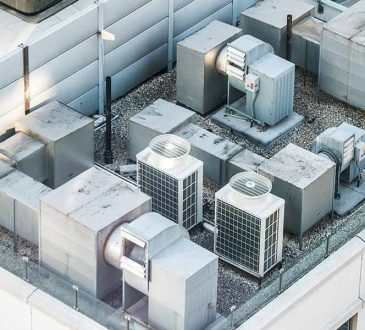
The outdoor portion of your air conditioner is known as the condenser. Its job is to release the heat collected from inside your home into the outdoor air. Because this unit lives outside, it is constantly exposed to dirt, grass clippings, and soot. When the coils become coated in grime, they lose their ability to dissipate heat effectively.
This causes the system to run longer cycles and consumes much more electricity. You can perform basic maintenance by gently spraying the outdoor unit with a garden hose to remove loose debris. However, be careful not to use high pressure, as this can bend the delicate aluminum fins on the coils.
Failing Electrical Components
Modern air conditioners are complex electrical machines. Components like capacitors and contactors are responsible for starting the motor and keeping it running. These parts can wear out due to age or heat stress. If you hear a humming sound or a clicking noise when the AC tries to start, but the fan or compressor doesn’t kick in, an electrical component has likely failed.
Because of the high voltage involved, electrical repairs should always be handled by a professional. Ignoring these signs can lead to a burnt-out motor, which is one of the most expensive parts of the system to replace.
Conclusion
A malfunctioning air conditioner is more than an inconvenience; it can be a significant financial burden if left unaddressed. By staying proactive with filter changes and keeping the outdoor unit clean, you can prevent many common issues. However, when mechanical or electrical problems arise, professional intervention is the safest and most reliable path forward. Taking care of your system ensures that your home remains a cool, comfortable refuge regardless of the temperature outside.