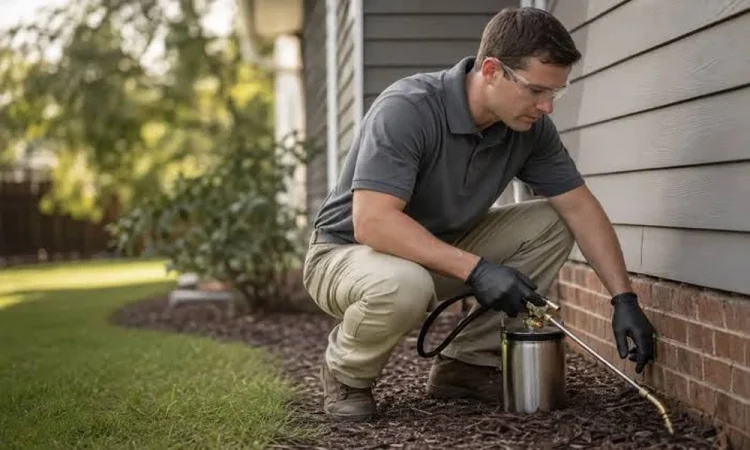
Fayetteville’s humid subtropical climate keeps pests active across most of the year. Summers reach the high 80s and stay humid, winters turn cold, and the city averages about 45 inches of rain, with the wettest stretch from spring into early summer. These conditions support termites, ants, mosquitoes, cockroaches, spiders, and rodents at different points in the year. Reliable pest control in Fayetteville, AR works best as a year-round effort because pest activity changes with the season. A one-time treatment handles what a homeowner sees that week. A planned program addresses the conditions that bring pests back.
The Local Conditions Behind Year-Round Pest Activity
Fayetteville’s pest problems change as the weather shifts. Termites swarm in spring, and ants start turning up indoors. Summer rain leaves standing water where mosquitoes breed. When fall arrives, mice and rats begin looking for shelter inside houses. Spiders and cockroaches can remain active through winter, especially in heated rooms.
Fayetteville gets roughly 45 inches of rain a year, with May and June among its wettest months. The damp weather can leave crawl spaces wet and soil around foundations holding moisture. That can attract termites and create favorable spots for other pests. Homeowners may see activity in several seasons, so pest control needs to follow local weather patterns throughout the year.
Inspection and Correct Identification Come First
A technician should check the house before deciding which treatment to use. That means looking in the attic, crawl space, kitchen, along the foundation, and around the yard. The signs they find help identify the pest and trace its route inside. Carpenter ants, termites, and cockroaches leave different clues, and each calls for a different response. The EPA also advises identifying pests before taking action, since some insects found indoors or outdoors cause little harm.
Palisade Pest Control begins with an inspection to establish what is happening in a Fayetteville home. The technician can also spot things that attract pests, such as firewood stacked against the house, mulch touching the siding, wood resting on soil, or water collecting beneath a deck. Fixing these issues can help prevent another infestation after treatment.
Prevention Keeps Pests From Returning
Prevention does the most to lower pest pressure in the area. A few targeted steps keep most pests outside:
- Seal the entry points. Close openings around pipes, doors, and vents, since a mouse can slip through a space about a quarter inch wide and insects need even less.
- Control moisture. Repair leaks and improve drainage to remove the damp conditions that draw termites, cockroaches, and silverfish.
- Clear the perimeter. Move mulch back from the foundation and rake out leaf litter to take away the shelter pests use near the walls.
- Close the secondary routes. Add door sweeps, repair torn window screens, and point downspouts away from the foundation.
Regular inspections and upkeep make it harder for pests to return. Fixing entry points, clearing debris, and addressing moisture early can also help prevent damage and reduce the expense of treating another infestation.
Targeting Treatment to the Actual Pest
The right treatment depends on which pest is present and how far it has spread. The EPA uses the term action threshold for the point at which pest numbers justify control. A few ants near a doorway may respond to bait and sealing the entry point. Termites call for a different approach, often including treatment in the soil around the house. Ant and cockroach baits work when insects carry the active ingredient back to other members of the colony. For termites, a soil treatment can help block their route into the building. A technician who knows where pests nest and move can focus the application on those areas, reducing unnecessary spraying around the property.
What to Watch for Between Visits
Check the foundation now and then for thin lines of dried mud, which can signal termite activity. In the pantry or along the baseboards, small droppings may point to mice or rats. Ants and roaches appearing after heavy rain could mean water has collected nearby or pests have found a way inside. Tell the technician when you spot these changes, before the infestation has time to spread. Those details can help direct the next treatment to the affected areas.
Pest Control Through Fayetteville’s Seasons
Pest control needs change with the seasons, so treatments should adjust throughout the year. Spring calls for termite and ant attention, summer for mosquito control, fall for rodent exclusion, and winter for indoor monitoring. A Fayetteville home on this schedule faces fewer infestations and lower repair bills over time. The work spreads across the year, which keeps any one pest from building into a larger problem.