As families grow, homes often start to feel a little smaller. A room that once seemed spacious can quickly become crowded with extra furniture, more belongings, and the changing needs of children as they move from toddlers to school-aged kids and beyond. At some point, many parents begin looking for smarter ways to make a shared bedroom work without giving up comfort, safety, or style. That is usually when the idea of a bunk bed starts to move from a nice option to a practical solution.
In Singapore, where many families live in HDB flats, condominiums, or compact landed properties with carefully planned interiors, furniture often needs to do more than one job. Bunk beds for children can fit that requirement surprisingly well.
Still, choosing one is not always as straightforward as it seems. A bunk bed can be brilliant in the right situation, but it is not automatically the best answer for every household. The real question is not just whether a bunk bed looks appealing or saves room. It is whether your family has reached the stage where this type of bed genuinely supports the way you live now and the way your children will grow in the coming years.
When Space Starts Becoming A Daily Challenge
One of the clearest signs that a bunk bed setup may be the right choice is when floor space begins to disappear faster than expected. In many family homes, children’s bedrooms have to serve several purposes at once. They are not only places to sleep. They also become areas for homework, play, reading, storing clothes, and sometimes even sharing time with siblings of different ages.
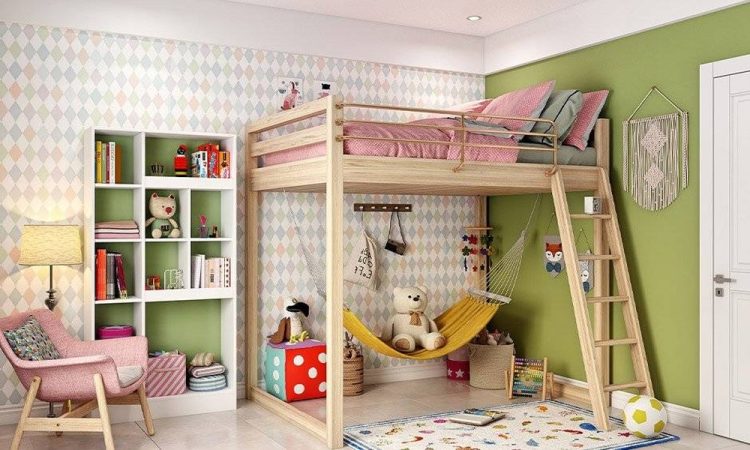
When two single beds take up most of the room, the space can start to feel cramped. There may be very little room left for a desk, toy storage, or simply a clear walkway. Parents then end up constantly tidying, shifting furniture, or feeling frustrated that the room cannot keep up with the family’s needs. In these situations, a bunk bed often becomes the more sensible layout choice because it frees up valuable floor space without reducing the number of sleeping spots.
When Siblings Are Ready To Share A Room
A bunk bed tends to become especially useful when siblings begin sharing a bedroom, and both are old enough to handle the arrangement safely. Sharing a room is common for practical reasons, but it can also help siblings build routines together and learn how to respect shared spaces. A bunk bed often supports this setup better than two separate beds because it creates clearer boundaries within one sleeping area.
Each child still gets an individual bed, but the room feels less divided by furniture. Instead of the space being dominated by two bed frames, there is more room for shared storage, a study corner, or open play space. For parents, this can make the room easier to organise. For children, it can make the room feel more cohesive and less cluttered.
Of course, readiness matters. A bunk bed is usually most suitable when both children are past the stage of a very restless toddler sleep and can understand the rules that come with climbing and sleeping in an elevated bed. If one child is still too young for the top bunk, families may still consider a bunk bed if the younger child uses the lower bunk and safety guidance is followed carefully.
When Children Start Wanting More Independence
There is also a stage in childhood when a bunk bed begins to feel exciting rather than simply practical. Many children see it as a sign that they are growing up. Climbing into their own bunk, arranging their bed area, and claiming a little personal space can make bedtime feel more positive.
This growing sense of independence can be especially valuable in shared rooms. Even in a small bedroom, a bunk bed can give each child a stronger feeling of having their own “zone”. The child on the top bunk may enjoy the cosy, tucked-away feeling, while the child on the lower bunk may appreciate easier access and a more grounded sleeping space. With a few thoughtful additions, such as individual reading lights, bedding choices, or small shelves, each child can feel that the room belongs to them too.
When A Family Wants Furniture That Works Harder
A bunk bed often becomes the best choice when parents realise they need furniture with more value built into it. Modern family homes rarely benefit from furniture that serves only one narrow purpose. The most useful pieces tend to be the ones that combine comfort, storage, and adaptability.
Many bunk bed designs now include built-in drawers, shelves, trundles, or even study desks. For growing families, this can be a major advantage. Instead of buying separate pieces that crowd the room, parents can choose one bed unit that covers several needs at once. This can reduce clutter, improve storage, and create a cleaner overall setup.
When The Family Is Planning Ahead
A bunk bed can also become the better choice when parents start thinking long-term instead of only solving an immediate problem. Children grow quickly, and their needs can change in just a few years. A room layout that works now may become frustrating later if it leaves no space for schoolwork, hobbies, or extra storage.
Choosing a bunk bed can be part of planning for those future changes. By opening up floor space now, parents create more flexibility for the years ahead. That extra room may later be used for desks, bookshelves, musical instruments, or simply a more comfortable study area as children get older.
When Safety And Room Design Make Sense
A bunk bed only becomes the best choice when the room itself can support it properly. Ceiling height, ventilation, access, and bed placement all matter more than many people expect. The child sleeping on the top bunk should be able to sit up comfortably without feeling too close to the ceiling. There should also be enough room to climb safely and enough airflow to keep the sleeping area comfortable in Singapore’s warm climate.
Parents should also look closely at guard rails, ladder stability, mattress fit, and the recommended age for top bunk use. In other words, a bunk bed is a strong choice only when it is used thoughtfully. A stylish frame alone does not make it suitable. Good design and proper safety features are what turn it into a genuinely family-friendly option.
So, When Does It Become The Best Choice?
A bunk bed becomes the best choice when a growing family needs more than just another place to sleep. It becomes the right move when space is tight, siblings are ready to share, children want a little more independence, and parents need furniture that can support everyday life more efficiently. It is at its best when it solves multiple challenges at once without making the room feel crowded or difficult to manage.
For many families, that moment comes when every part of the home needs to be used wisely. A bunk bed can help turn a busy bedroom into a more functional, comfortable, and organised space. It is not a magic fix, and it is not right for every family. But when the timing, layout, and children’s needs all line up, it can be one of the smartest furniture choices a household can make.